
Feline Hyperesthesia is an elusive disorder. Difficult to diagnose and with symptoms varying from one case to another, this syndrome often baffles veterinarians and cat owners alike.
The good news? Feline Hyperesthesia (also known as FHS) is very rare and is not life-threatening.
What are the symptoms of Feline Hyperesthesia?
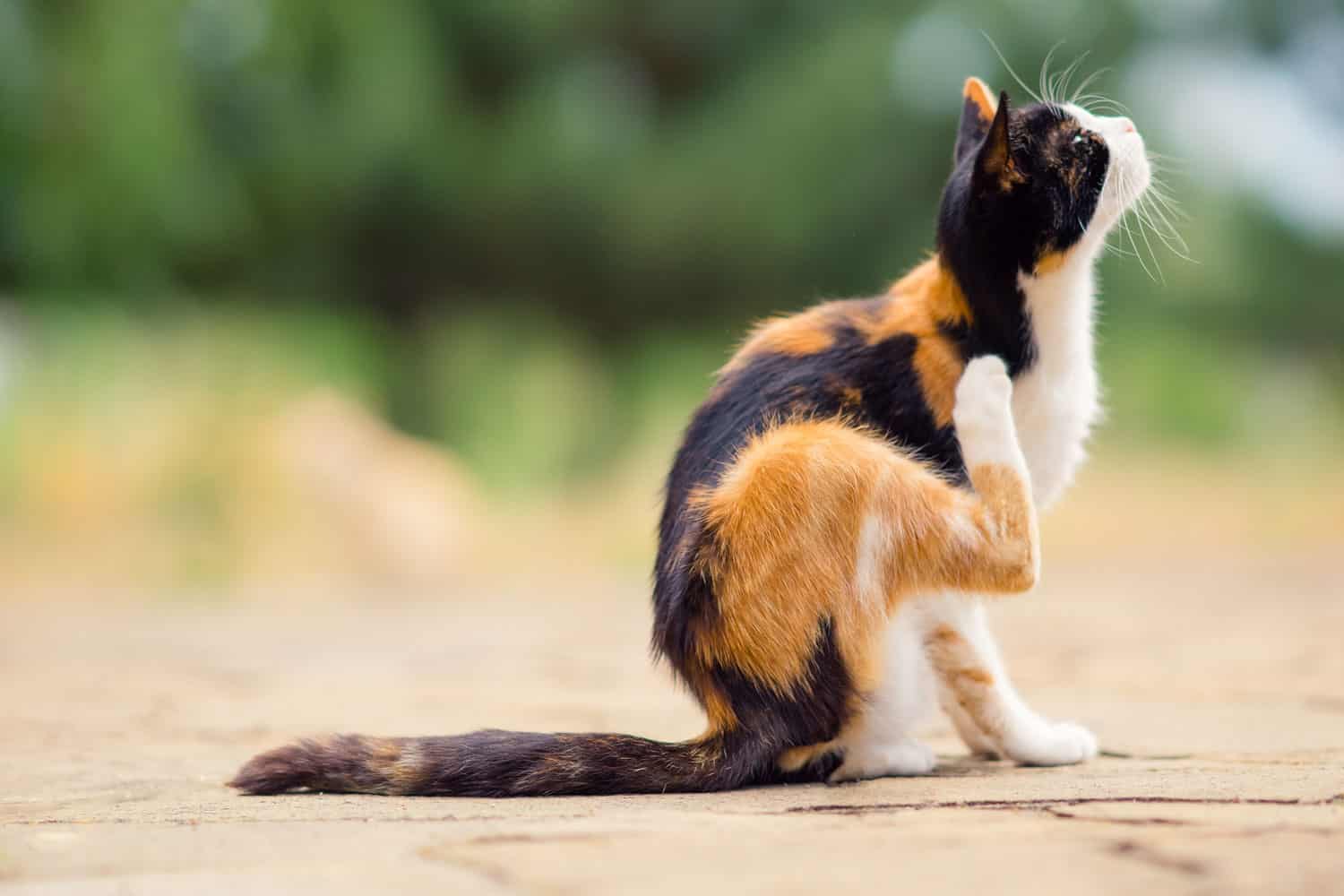
A cat with Feline Hyperesthesia will look normal most of the time. The symptoms appear in distinct episodes lasting several minutes each.
During an episode, the cat may display the following:
- Rolling or twitching of the skin along the back (although the movement is in fact caused by the underlying muscles)
- Attacking, biting, and scratching of the back, hind legs, and tail
- An overall agitated state manifested in dilated pupils, loud meowing and sometimes even salivation. The cat may also run around the home or even attack his or her owner.
Here's how one of our members describes the onset of the condition in her cat Audrey:
She started having episodes where she literally goes crazy.
Her back ripples and shakes and she flops around the floor trying to bite herself. Her eyes become large and then she starts running and running, trying to climb the walls, windows and furniture.
She runs into things and looks around the room as if things are up there. If anything or anyone gets in her way...she attacks it.
"I noticed my cat's back twitching! Does she have Feline Hyperesthesia?"
Not likely. The occasional twitch of a muscle is perfectly normal in cats, just like it is in humans.
With Feline Hyperesthesia kitties, the twitch turns into a longer episode—usually one or two minutes long—that is clearly upsetting for the cat.
SIGN UP FOR THECATSITE'S EMAIL UPDATES >
What causes Feline Hyperesthesia?
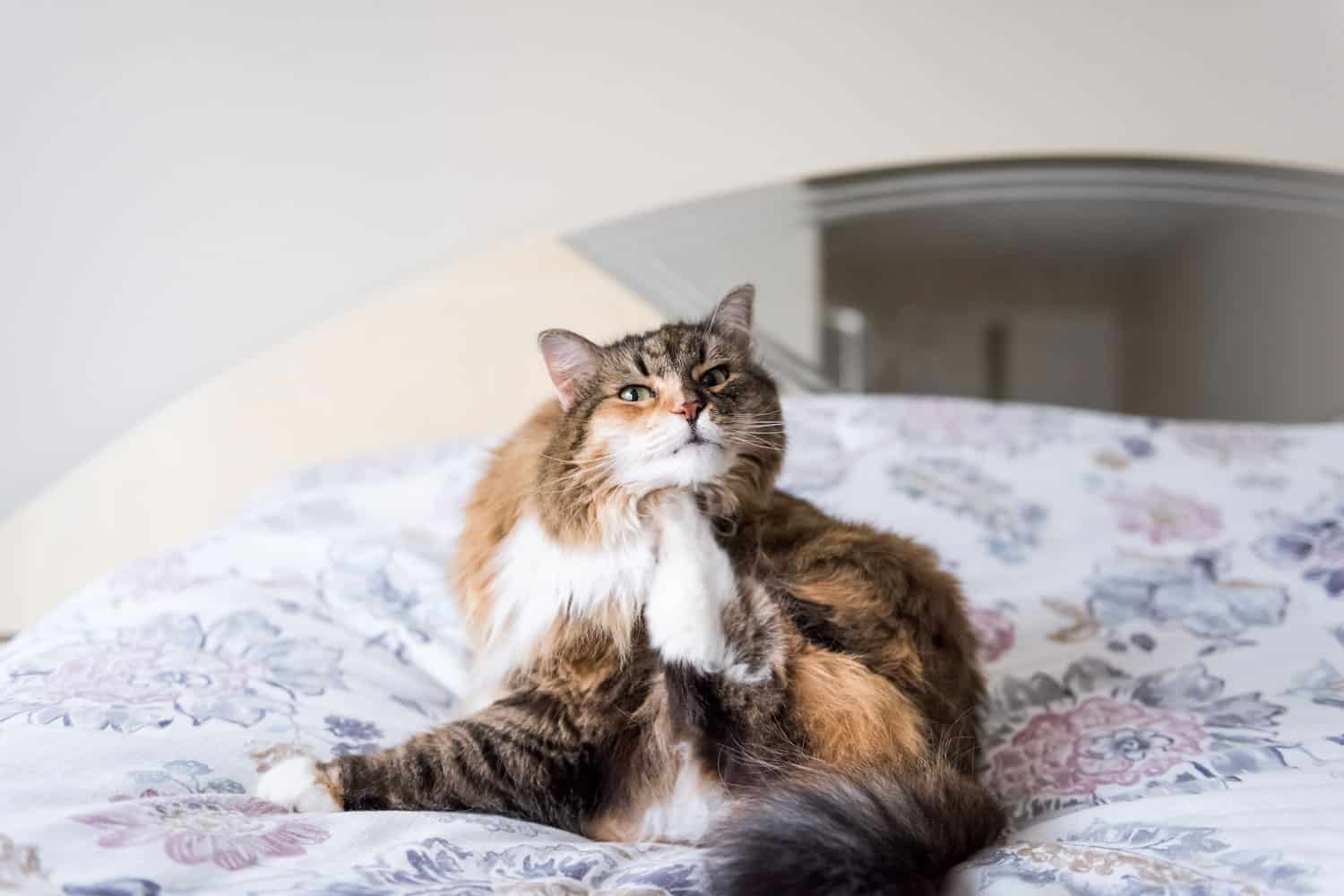
Nobody knows what causes this rare disease or even how the symptoms come to be.
Some experts consider Feline Hyperesthesia to be a form of seizure disorder, sometimes referring to it as "psychomotor epilepsy."
Others think this may be a behavioral or even mental issue, like a form of schizophrenia.
Some owners claim that their cat's condition improved following a dietary change, however, this could mean the cat had actually suffered from a food allergy or perhaps even a dietary deficiency.
Stress seems to be related to the frequency and intensity of symptoms. In some cases, a stressful event seems to have set off the first of the episodes, which then continue throughout the cat's life.
Owners report that touching the cat's lower back often triggers an attack. This reaction to stimuli gave the syndrome its name: hyperesthesia, which literally means "oversensitivity".
How is Feline Hyperesthesia diagnosed?
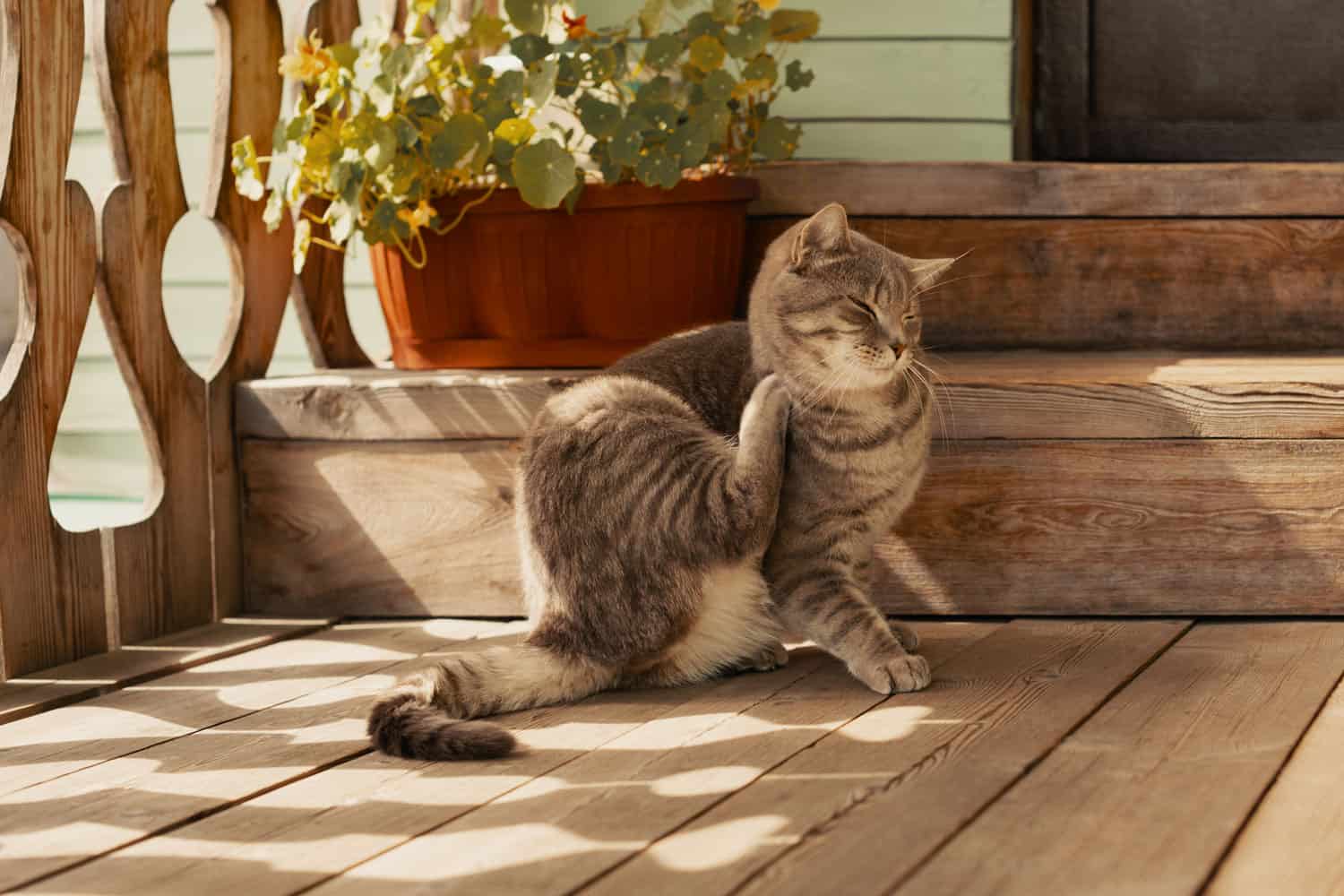
With great difficulty and by way of elimination. Many other medical conditions can generate the same symptoms as FHS. They must be ruled out before your vet can suggest a diagnosis of Feline Hyperesthesia.
If your cat is showing the symptoms of Feline Hyperesthesia, your veterinarian is likely to conduct the following -
- A full physical examination
- A complete neurological check-up
- Blood tests
He or she will be looking for indications of skin disease, food allergies, thyroid problems, slow poisoning, and any one of a number of neurological conditions.
It may take weeks of in-depth testing including MRI imaging before your veterinarian reaches a formal FHS diagnosis.
How is Feline Hyperesthesia treated?
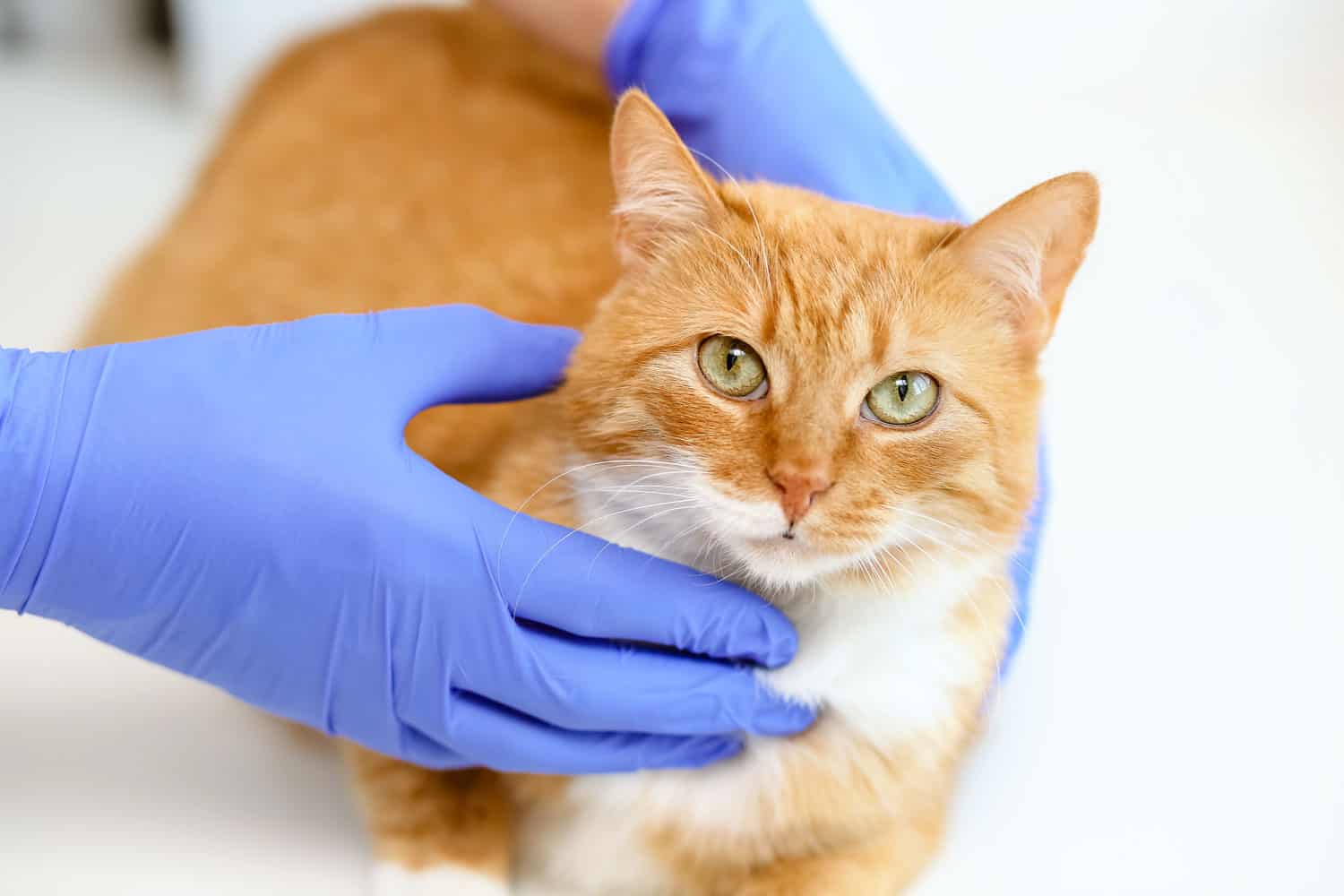
Treatment of FHS focuses on reducing stress. Your veterinarian may recommend anti-anxiety drugs to help your cat relax. Make sure other health conditions have been ruled out before treating your cat for FHS.
You can read more about stress in cats and how to reduce it in the following articles:
- Potential Stressors In Cats - The Ultimate Checklist
- Six Surefire Strategies To Reduce Stress In Cats
Does your cat suffer from feline hyperesthesia? Or have you had a cat that suffered from this ailment? Leave us a comment to share your story with others.
SIGN UP FOR THECATSITE'S EMAIL UPDATES >
If you suspect that your cat may have this condition, or have any other questions about your cat's health, please go to the cat health forum and post your question there.
Unfortunately, we can't answer questions posted as comments to articles, so a forum thread is the way to go.
Note: We may get commissions for purchases made through links on this page.




4 comments on “Feline Hyperesthesia”