TheCatSite.com › Cat Health Articles › Choosing The Right Food for Your Cat

Choosing The Right Food for Your Cat

You've probably been there before - standing in front of shelves loaded with dozens of cat food packages. Dry or canned? Senior, Growth or maintenance? Premium or maybe super-premium? And if you manage to get past all of these mind boggling questions - what about selecting a flavor for your gourmet of a cat?


At the beginning of the twenty-first century, a wide selection of cat food is available and cat owners can sometimes get confused. Things were not always this way. The pet food industry that has evolved during the twentieth century has changed the process of preparing commercial pet food. From an offhand utilization of what was basically considered "meat junk," a new field of science has slowly emerged.


Today, the large cat food companies invest a great deal of money and time in research and development. Each type of cat food is thoroughly checked before it is released to the market. This extensive research results in the great variety of cat food that is aimed at optimal nutrition plans for the different cats that share our lives. As cat owners, we must take the time to consider which of these products is best suited for our particular cat.


There are four key questions to resolve before choosing the right cat food for your cat:


  • Which is better for my cat - dry or canned?
  • Which specific type is better for my cat - standard grocery brands, premium, or super-premium?
  • Which age group does my cat belong to - growth, maintenance, or senior?
  • Any special needs I should consider?

Which is better for my cat - dry or canned?

This may be the most obvious question as you're facing the grocery shelf. Both types are usually nutritionally balanced and provide all of the cat's needs. Let's have a brief look at the advantages and disadvantages of each type:


Dry food comes in the form of kibbles in various shapes, colors, and flavors. It is more concentrated, so the cat consumes a relatively small quantity. Its crunchiness helps fight tartar and tooth decay. It is easy to store and serve - you can simply fill the bowl and leave it out for free feeding throughout the day. Oh, and it's cheaper than canned food.


The downside? Most cats are not very impressed with the taste and show a clear preference for moist food. Another consideration is the low water content, which may lead to a decrease in the daily intake of water. Cats that are prone to problems of the urinary tract may be adversely affected by the lack of water.


Canned food is processed moist food that comes in a great variety of flavors, textures, and shapes. Most cats find this kind tastier than dry food. Because the main ingredient is water, cats consume a larger volume of food. This also means a generally larger intake of water, which is an advantage for cats that don't like drinking very much. It's also easy to store, and the cans last for years on the shelf.


However, canned food has its limitations. Once you open the can, the food must be refrigerated. If you leave it outside for more than half an hour (time may vary according to room temperature), it might go bad and give your cat an upset tummy instead of a good meal. The price is also quite high, as you must feed significantly larger amounts for the cat to get all the required nutrients.


Tip: Never feed your cat with cold cat food served directly from the fridge. A simple way to heat it until the chill is gone is by mixing in some hot water and stirring well.


Moist food is also available, but it is no longer recommended as an exclusive diet for cats. Moist food was created as a compromise between tasty canned food and durable dry food. In order to get this combination, however, producers are forced to use larger quantities of preservatives. For this reason, it is better not to feed cats a diet based on moist food, but rather use it as an occasional treat.


The conclusion? We recommend feeding your cat a mixed diet of dry food and canned food. That way the cat will get a sensibly balanced diet that is within the limits of a sensible budget. You'll be able to free-feed your cat, if you so choose, and at times offer a special treat of tasty, juicy, canned food.


Which specific type is better for my cat - standard grocery brand, premium or super-premium?

To date, there are no formal regulations that define objective criteria for different types of cat food. The terms "premium" and "super-premium" are basically commercial slogans, intended to convey a general message regarding the quality of the specific cat food. Most of the cat food you will find on the market today is nutritionally balanced. It should provide an adequate diet for a healthy adult cat, whatever the brand or label.


However, as a rule, premium or super-premium food is a better choice. These foods are usually based on quality meat byproducts. The same measure of premium food contains larger amounts of vital nutrients, compared to standard grocery brands.


This means that the cat actually needs to eat less of the premium food in order to get the same amount of calories and other nutrients. Premium foods may seem more expensive, but in the long term, the difference in price is cancelled out by the difference in consumption levels. The result is a well-fed, healthier cat at a price that is not much higher than that paid for the standard brands.


Which age group does my cat belong to - growth, maintenance, or senior?

Just as we feed our human babies with baby food or follow a prescription diet when we get older, cats need different kinds of food at different stages of their lives. On the packages of most cat foods, you can see an indication of the life stage for which the food is intended.


Growth

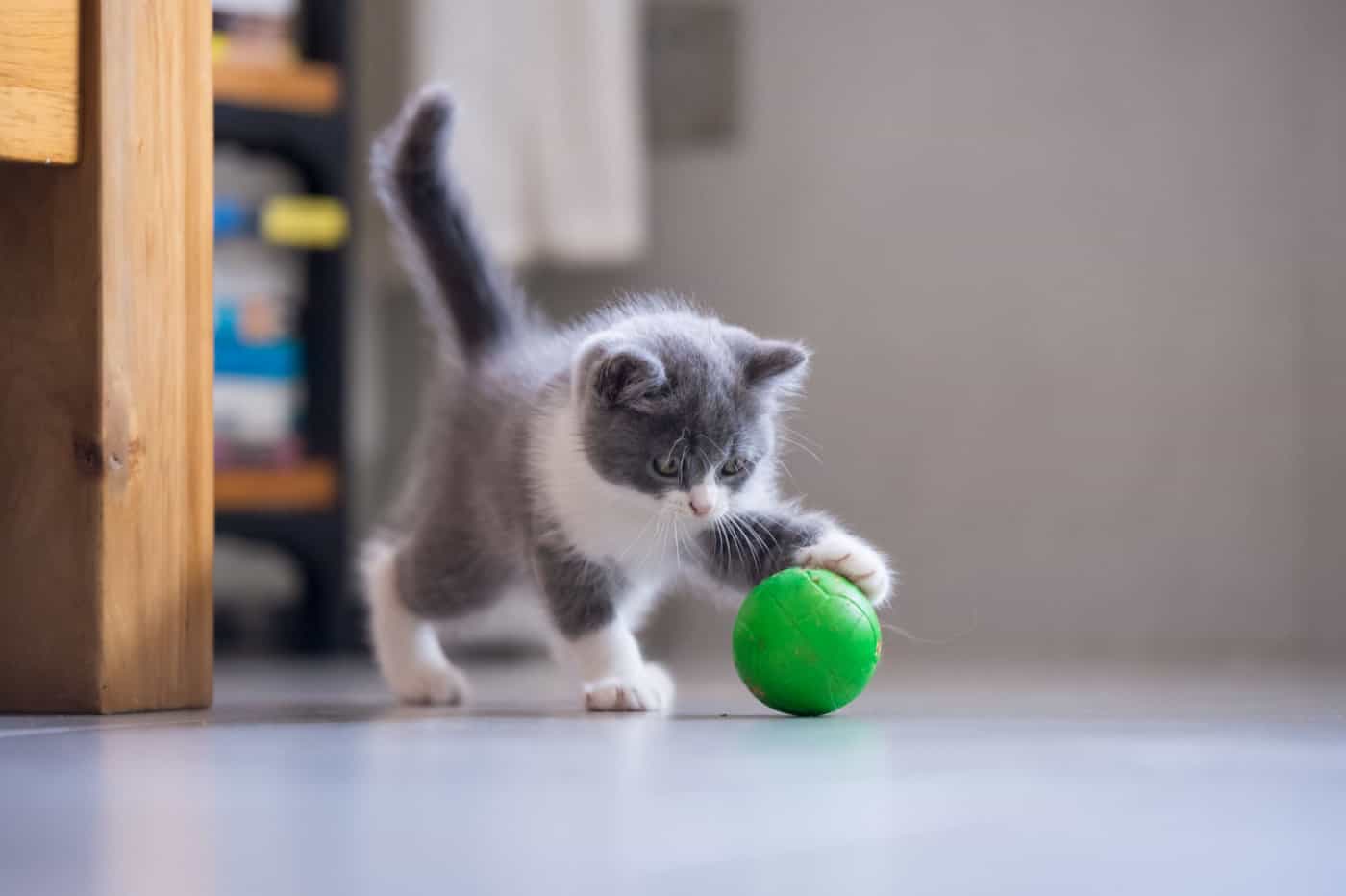
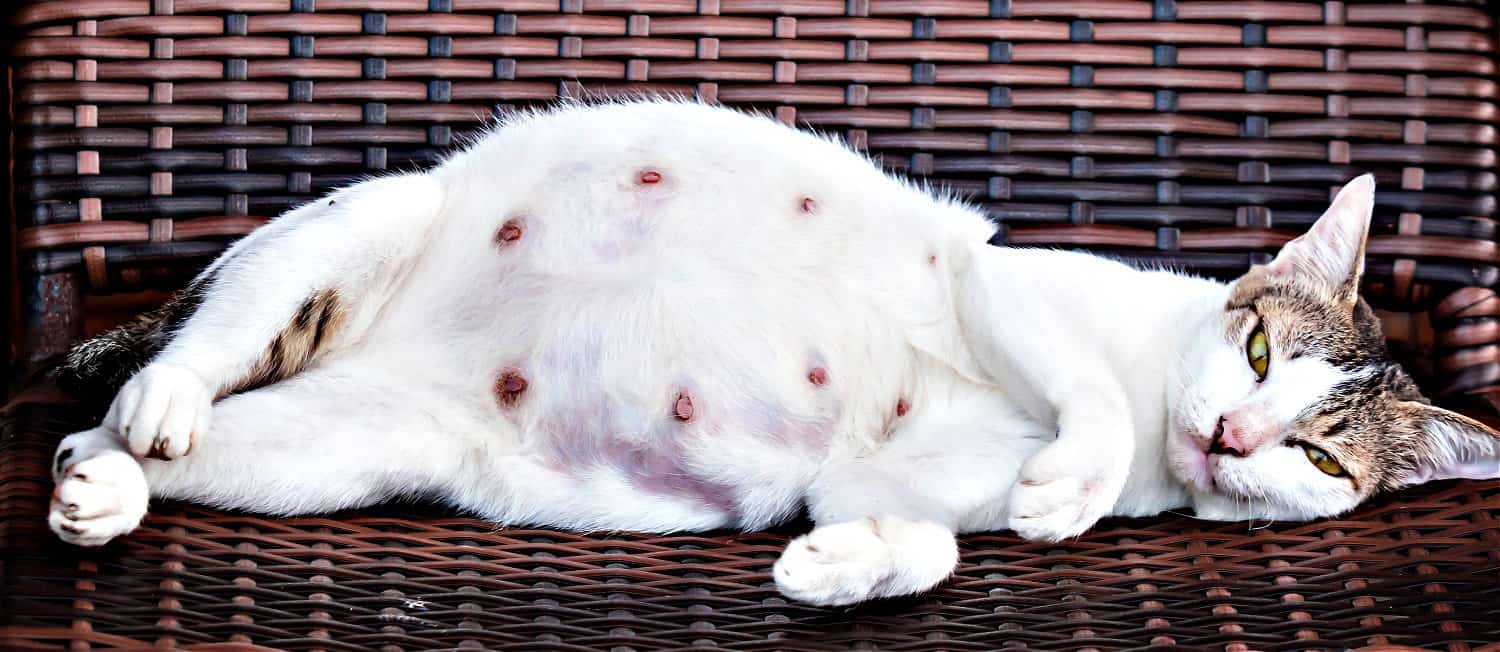
Food labeled as "growth" or "kittens" is intended for weaned or semi-weaned kittens in their first year of life. It is also recommended for pregnant and lactating females.


Senior

The label "senior" or "mature" indicates food for the older and less active cat. The exact age at which your cat is considered a senior may vary. It depends on the general activity level of the cat and usually begins somewhere between six and eight years of age.


Maintenance

This cat food is the basic diet for any healthy cat that does not belong to any of the previous categories.


Any special needs I should consider?

Cats with special health problems often need specialty foods. It is best to follow your vet's advice regarding specific health conditions and feed your cat accordingly. Some of these special foods are available only through a veterinary clinic and are not sold in shops.


Among the more common types that can be bought in pet shops and in some grocery stores, you can find


  • Food that helps to prevent hairballs forming in the cat's stomach.
  • Dry kibble that helps fight tartar accumulation on the teeth.
  • Types of food that help to control the urinal PH level and prevent urinary tract problems.
  • Hypoallergenic food for those extra sensitive felines that react badly to regular commercial food.

Overweight cats may require special low-cal cat food. This "lite" or "diet" food is low in fat and high in fiber. This allows the cat to eat enough and feel full while consuming fewer calories. To read more about feline obesity and buying low-cal foods go to the article: Is Your Cat Overweight?


Comments? Leave them using the form below. Questions? Please use the cat forums for those!

Comments

There are no comments yet
TheCatSite.com › Cat Health Articles › Choosing The Right Food for Your Cat