
Have you ever wondered why cats come in so many different colors and patterns? From the sleek black of a panther to the intricate stripes of a tabby, the world of cat coat colors and patterns is a fascinating one.
In this article, we’ll explore the science behind feline fur, delving into genetics, biology, and history to uncover the secrets of our feline friends’ coats.
Get ready to discover a rainbow of colors and a kaleidoscope of patterns – you might even learn something new about your own furry friend!
Cat Coat Patterns
Patterns are combinations of colors in a specific layout. There are six basic varieties: Solid, Tabby, Bicolor, Tortoiseshell, Tricolor, and Colorpoint.
Solid Coat Patterns
The easiest to recognize is a coat that evenly distributes one color all over the body.
But did you know that even some solids may display a few hairs of a secondary color when they are very young kittens? It's like a hidden surprise that fades away as the cat grows older.
If the cat's coat retains any spot of another color, it is no longer considered a solid. In the UK, they refer to solids as "self-colored" or "selves."
Tabby Coat Patterns
This is the most common coat pattern in the wild and it has four varieties: Striped (Mackerel), blotched (marbled), spotted, and ticked (agouti).
You can read more about the variations of the tabby coat pattern and see them in pictures in the full guide: Tabby Cats.
Bicolor Coat Patterns
The term bicolor refers to a coat of white and one other color. The other color can be solid or show a tabby pattern.
People sometimes use the term "Harlequin" to describe a cat with a mostly white coat.
Van is the term for a specific variation, in which the cat is mostly white, with patches of color on the head and tail only.
When a bicolor cat has mostly colored fur, people may use specific names to describe the patches of white, such as "locket" for the chest, "mittens" for the paws, and "buttons" for patches on the abdomen.
People often refer to a black cat with white paws, belly, and sometimes face as a "Tuxedo."
Tricolor On Calico Cats
The tricolor pattern comes in white, black, and red (orange), or their diluted versions of cream and blue. The possibilities are endless!
The cat will intermix the other two colors where there is little white, creating a pattern that people can also refer to as "tortoiseshell and white."
As the amount of white increases, the cat's patches of red and black become more clearly defined, creating a pattern known as a calico.
You can read more about the calico coat and the genetics of these cats in our article: Calico Cats Guide.
Tortoiseshell Pattern
A consistent mix of orange and black (or their diluted versions of cream and blue) creates this unique coat pattern. And here's an interesting tidbit for you—tortoiseshell cats are predominantly female!
Tortoiseshell males are rare and probably always sterile. Tortoiseshell cats, also called "torties", can also exhibit an underlying tabby pattern, which people often refer to as "torbie."
Colorpoint Patterns
In this pattern, the face, paws, and tail (tips/points) are of a darker color than the rest of the body.
The points can be in various colors and shades, including dark brown (seal), red (flame), blue, and lilac.
In fact, some breeds can have tricolor or tabby patterns in any of these colors for their points (tabby colorpoints are sometimes referred to as "lynx").
Cat Coat Colors
So much for the patterns. Now let's have a look at the various colors that create them. Remember that most of these colors can be either solid or in a tabby pattern.
They can also be part of a bicolor combination. But wait, there's a rainbow of colors to explore! 🌈
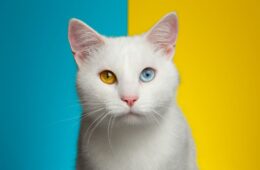
White Colored Cats
This is the only color that is always solid without any underlying tabby markings. There are several genetic varieties of white, some of which create an all-over solid white cat, others bicolor or tricolor cats.
One genetic variety of solid white can sometimes cause deafness; however, not all white cats are deaf (just as not all deaf cats are necessarily white).
Black Colored Cats
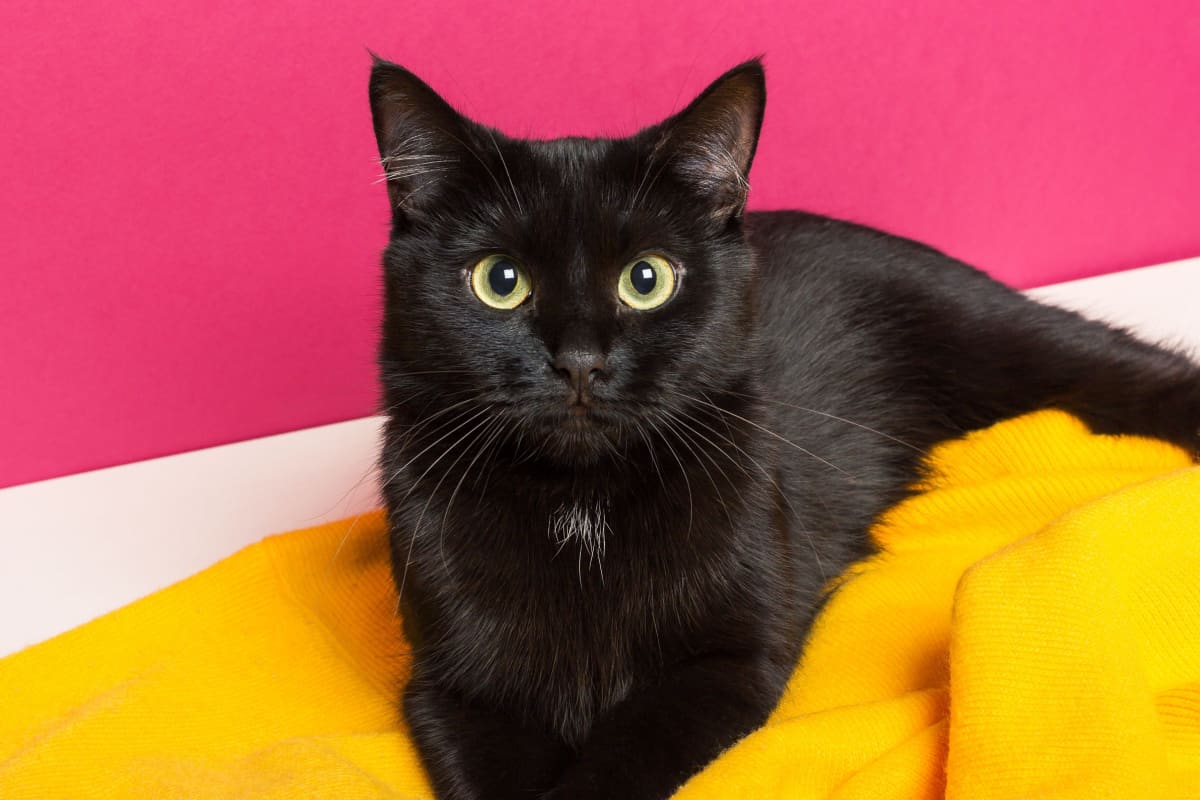
Although true solid black is often desired in breeding programs, black cats sometimes have underlying tabby markings. When exposed to sunshine, some black coats develop a rusty tinge.
In the colorpoint pattern, the black gene is manifested as dark brown and is referred to as a seal-point.
Red Colored Cats
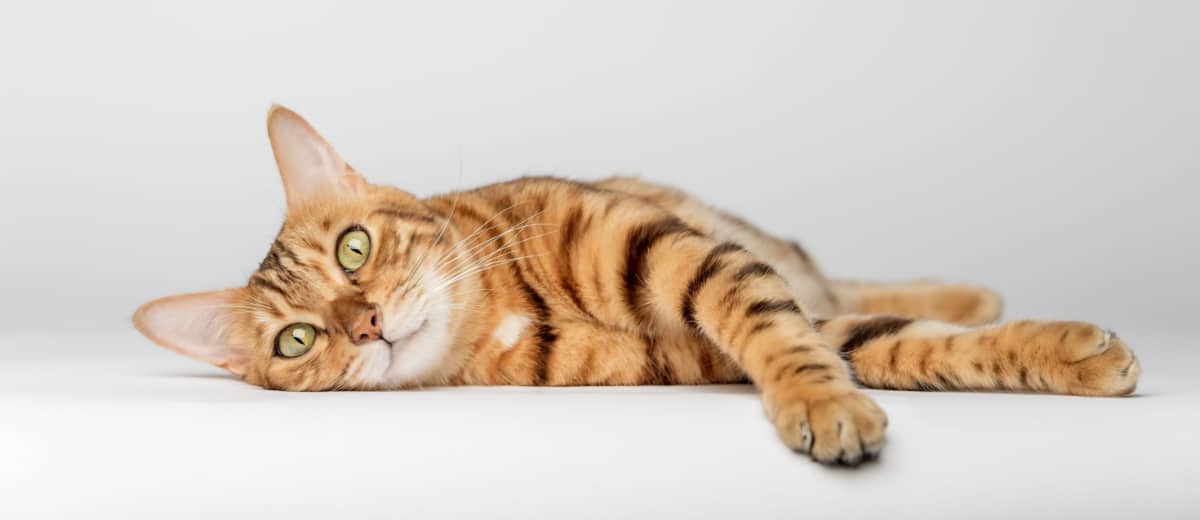
Red is the professional term for the coat color otherwise known as orange or ginger. The gene for the red color is sex-linked, which is why red cats are usually males.
This color is strongly connected with the tabby pattern, so a true solid red is very hard to achieve. In the colorpoint pattern, red is often referred to as a flame-point.
Blue Colored Cats
The blue color is a diluted version of black and is in fact deep bluish-gray. Some breeds are more associated with this color, but it can be seen in many breeds or with mixed-breed cats.
Cream Colored Cats
This color is a diluted version of red. In combination with the blue, it can create dilute calicos and tortoiseshells.
Brown Colored Cats
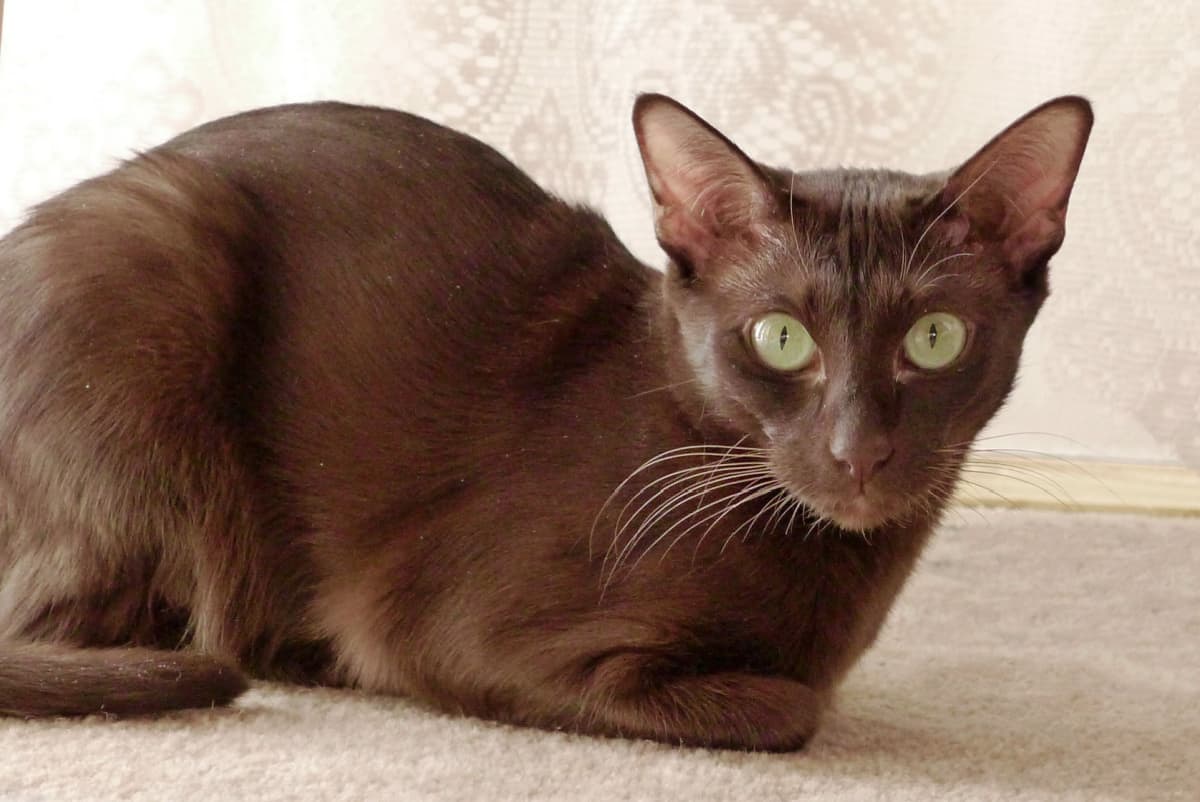
Solid brown cats are not very common. The breed associated with this color is the Havana Brown. In some breeds, brown variations are also called chocolate.
SIGN UP FOR THECATSITE'S EMAIL UPDATES >
Lilac Or Lavender Colored Cats
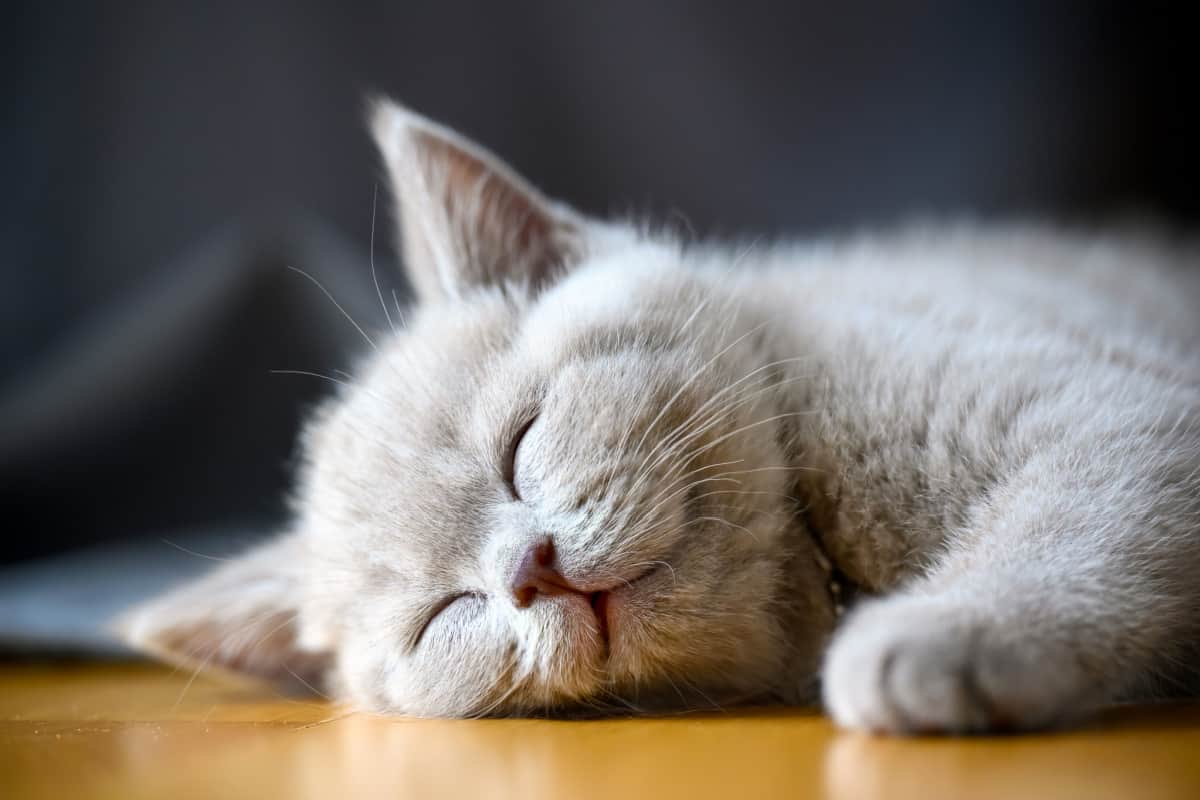
Lilac or Lavender are interchangeable names for a shade of light gray-brown with pink overtones.
Some associations and breed clubs use one while others use the other. In the colorpoint pattern, lilac is referred to as a frost point.
Cinnamon Colored Cats
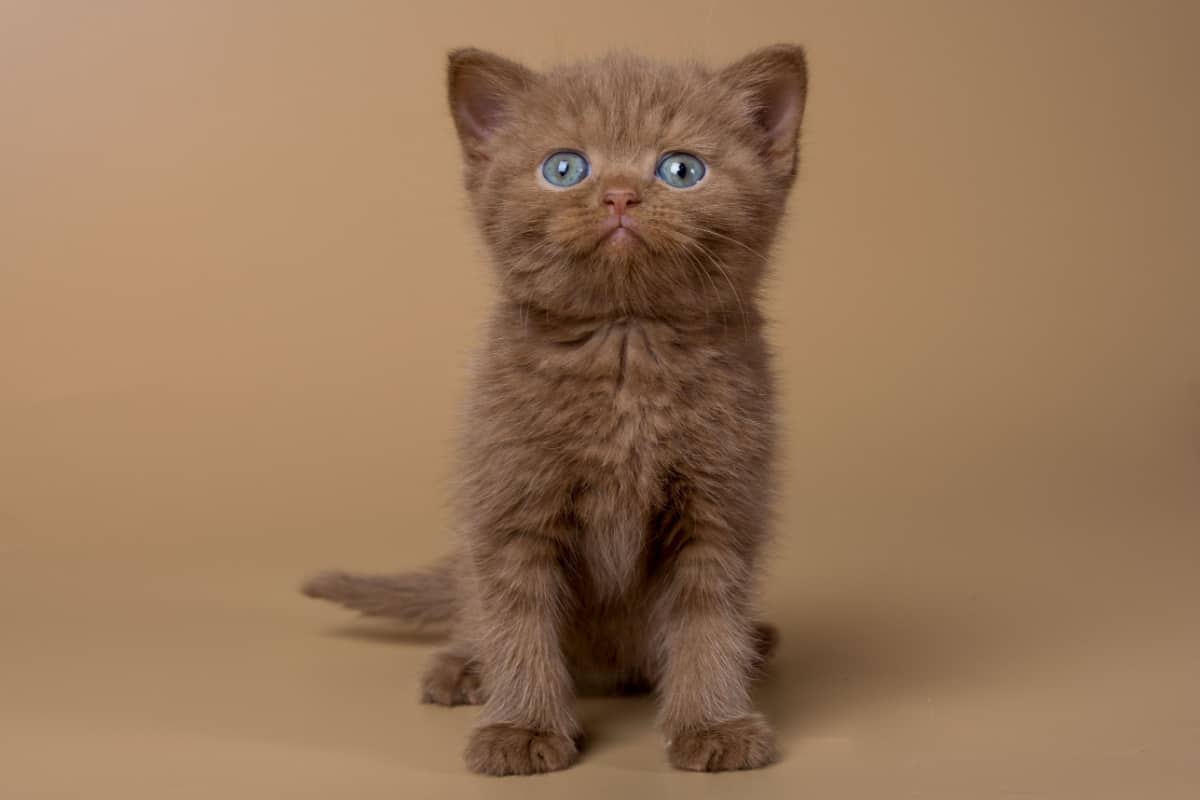
A variety of solid light brown with distinct red overtones. Cinnamon-colored cats bring a spicy and unique flair to the feline world!
Fawn Colored Cats
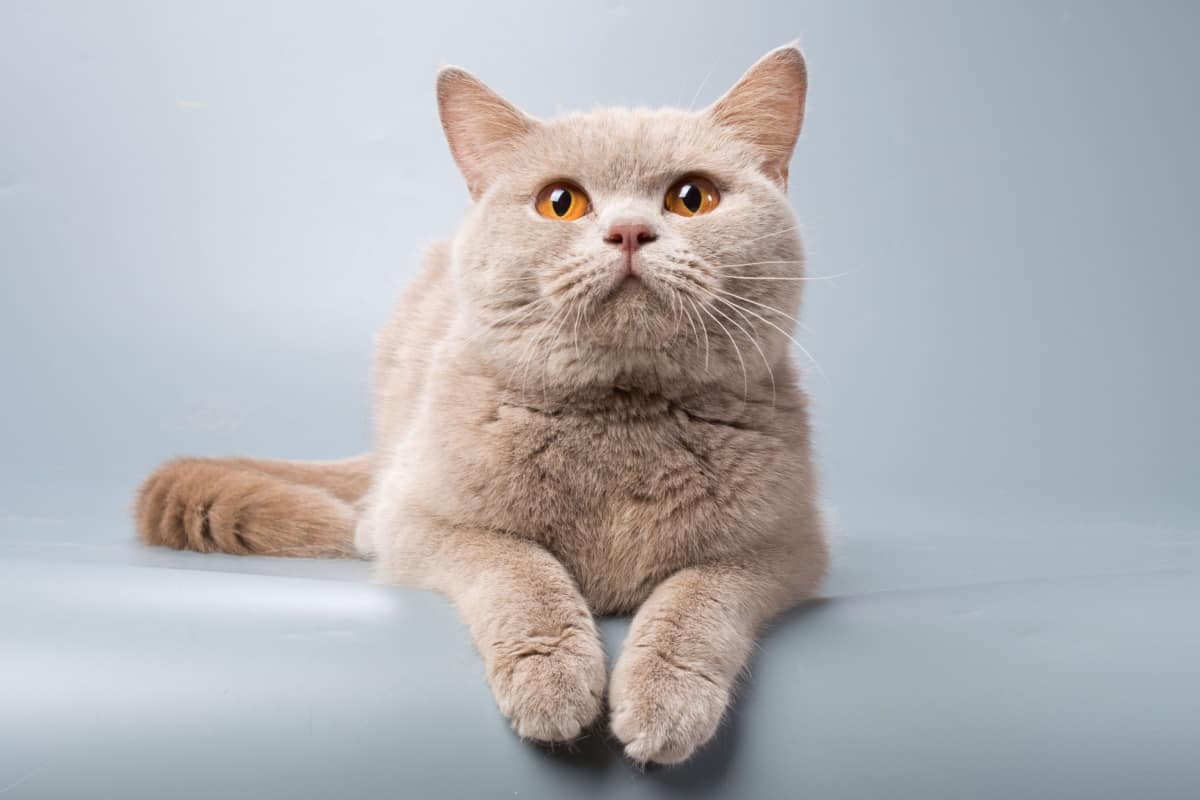
A dilute version of cinnamon. Fawn-colored cats possess a gentle and delicate beauty that is truly captivating!
Special Effects In Cat Coat Color
Some cats' coats present quite spectacular "special effects," achieved by a change from a light color to dark color along the shaft of each hair.
The lighter shade is usually white or cream and the darker can be of various colors. These can come in one of three versions:
Tipped-Cat Coat Special Effects
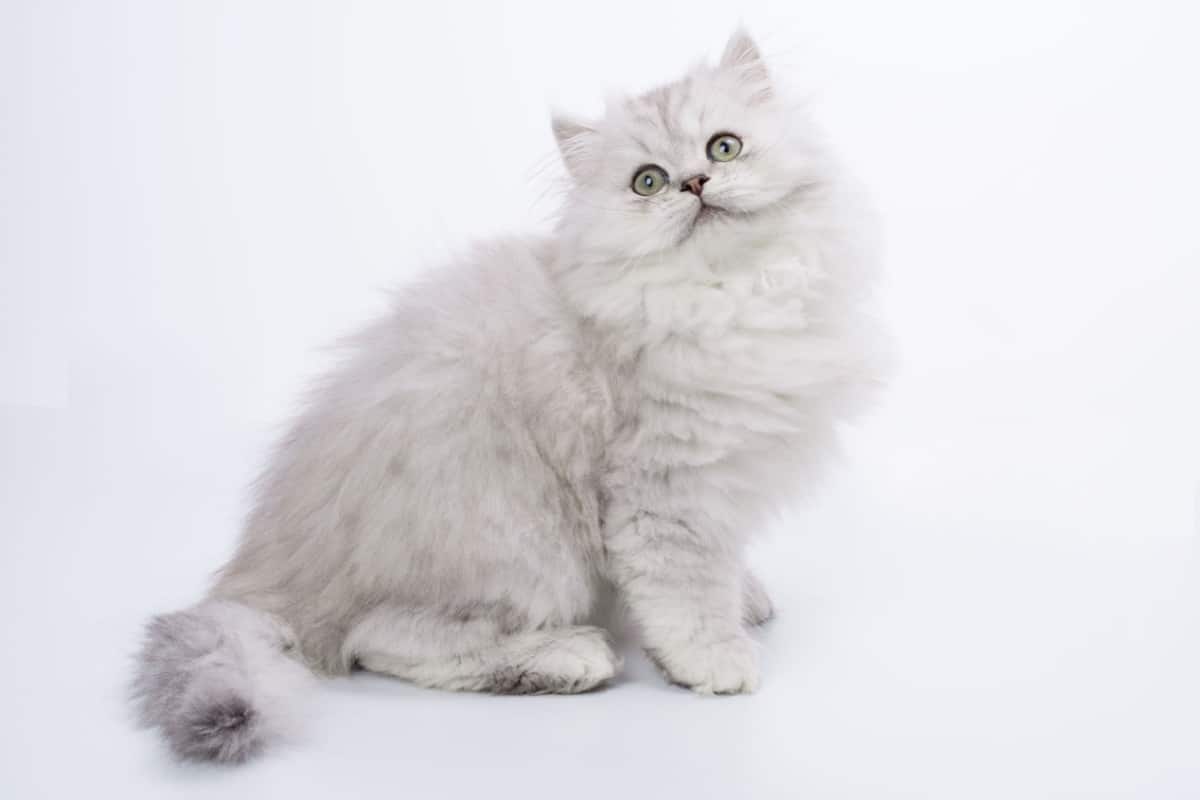
Only the tips of the hair are dark. This gives the effect of the Chinchilla coat, where the cat appears almost white, with an all-over silvery shimmer.
This is sometimes referred to as "Shell."
Shaded-Cat Coat Special Effects
Roughly half of the hair is light and half is dark. Shaded coats create a captivating play of contrasting colors!
Smoked-Cat Coat Special Effects
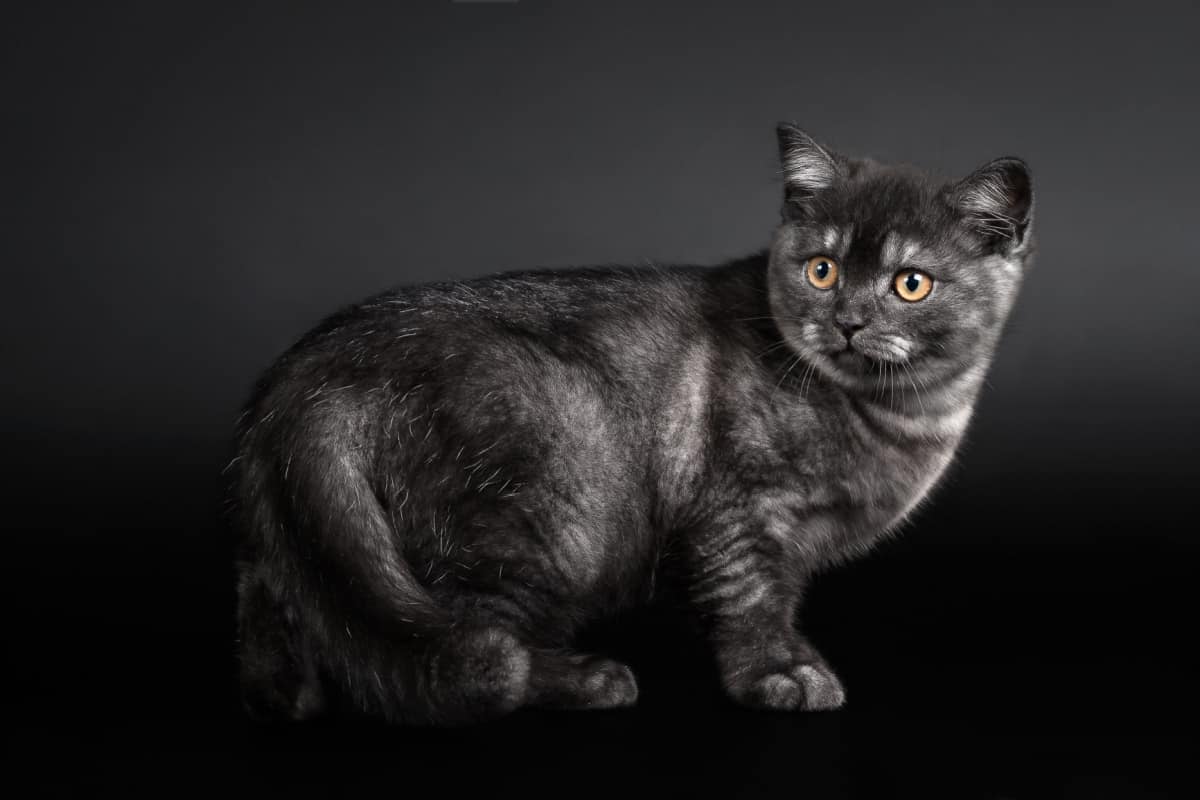
Most of the hair is dark, with a light undercoat that shows through as the cat is moving. Smoked coats add an air of mystery and intrigue to a cat's appearance!
What Are The Most Common Cat Colors & Patterns?
With such a wide array of coat colors in cats, you may wonder which is the most common. Technically all cats are colored with a variation of black, red, or white.
Since there are so many different colors, patterns, and shades created by these colors, it is hard to pinpoint which one is most common.
There is no overall Kitty Census listing all cats in the world in a single database, so the exact actual numbers are anyone's guess.
A while ago, we looked for data regarding black cats in shelters.
The only organization that tracked cats by color and could help us out was the Royal Society for the Prevention of Cruelty to Animals (RSPCA) in Britain.
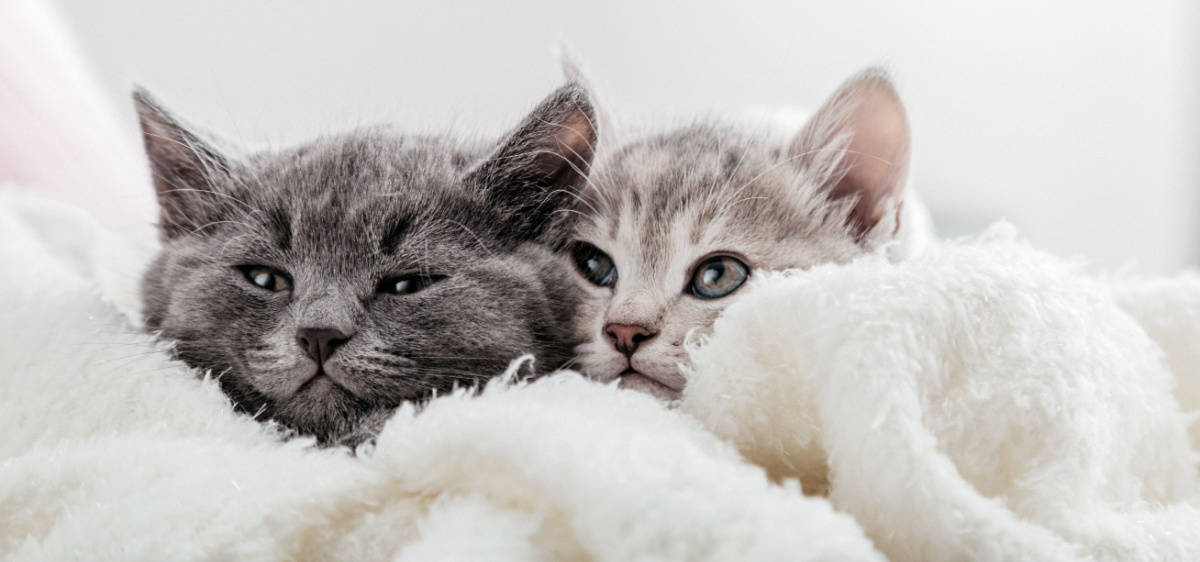
According to their data, most of the cats that end up in shelters are actually black and white kitties, followed closely by black cats. Tabbies are in third place with about half as many cats as black ones.
So, black and black-and-white cats seem to be among the most common!
What Are Some Of The Rarest Cat Colors?
Some breeders of cats strive toward creating unique coat colors and patterns.
As described above, Smoked cats have fur strands that are darker at the tips and lighter at the base. This color effect makes the cat appear hazy as the lighter undercoat is seen when the cat is in motion.
When half of the hair shaft is dark and the other light—the cat is considered "shaded".
On the opposite spectrum, a cat with lighter tips and darker shafts is considered a chinchilla in color.
Here's a sweet cat color: chocolate!
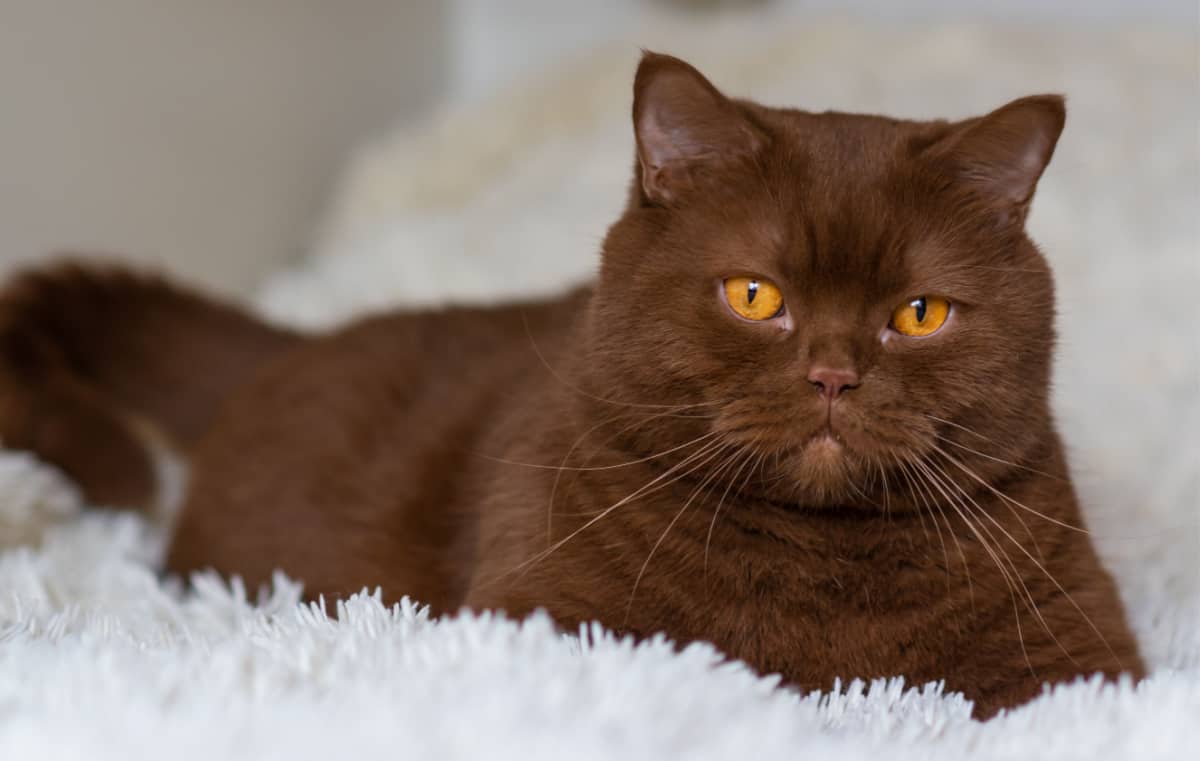
Chocolate-colored cats are usually pedigree species such as the Havana Brown or Persian varieties. These cats have black color genes that were genetically mutated to achieve the chocolate hue.
Cat Coat Length
The length of the cat's hair and its shape can affect how colors and patterns look. Some coat effects can show up best—or even only—in longhair cats.
Cat fur length varies tremendously, from completely hairless to several inches of fur that require constant grooming. Cat fur length, however, is broken down as either short-hair or long-hair.
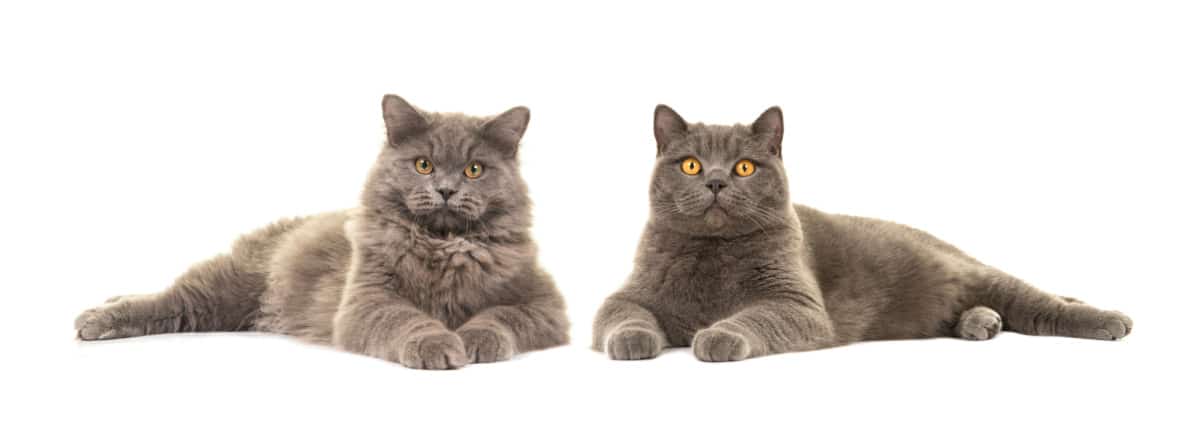
According to some experts, a quick look at the area between the toes is an indicative measure to determine whether a cat is short or long-hair.
If fur is seen protruding from between the toes, the cat is most likely a long-haired type. Short hairs have uniform fur length in this area, without any visible patches growing.
Persians, Ragdolls, and Maine Coons are all long-haired cats. Cats with fur lengths over an inch and a half upwards to over five inches belong to this category.
These cats require frequent grooming as failure to keep fur combed and brushed can easily lead to matted and snarled portions.
Long-haired cats are the epitome of feline grace and elegance!
Domestic Short-haired cats have strands of fur shorter than an inch and a half in length. These cats do not require a lot of grooming as their fur is short enough for them to maintain it well themselves.
This is the most common type of cat, in both domestic and purebred varieties. Some short-hair types include the Manx, Savannah, and Burmese.
Short-haired cats are a wonderful combination of low-maintenance and lovable companions!
What About Bald Cats?
Bambinos, Sphynxes, and Peterbalds are all cats that are considered "bald". They are actually a variation of short-haired cats as they have a very fine coat of barely visible fur on their bodies.
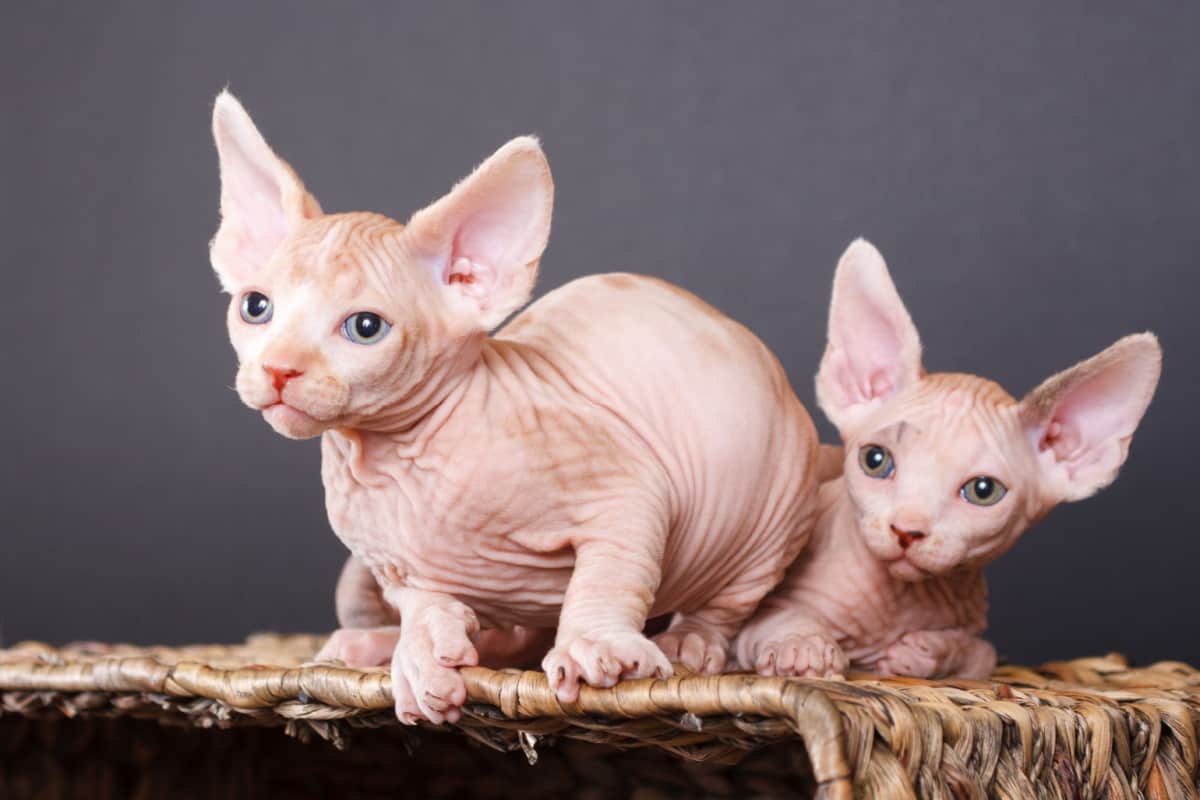
The lack of thicker fur allows all their skin's wrinkles, lumps, and bumps to show.
Bald cats come in the same variety of cat colors and patterns. They can be black, white, blue, calico, bi-colors, tabby, or even color-pointed.
The difference is that the overall pink skin tone is mixed into the cat's "coat" color, creating a very unique look. This is why white sphynx cats usually look pink.
These cats require frequent grooming since they do not have the benefit of thick fur to soak up oils that form on the skin naturally.
In addition, the lack of fur puts them at risk for extreme temperature exposure, making them feel very cold during freezing times of the year.
When warmer temperatures arise, these bald cats need protection against sunburn since their skin is not covered.
Bald cats are truly remarkable and require special care and attention!
And Some Cats Actually Have Curls!
Some cats have strands of fur that twist and curl. They are missing one of the three genes present in a standard strand of fur, giving them a curious appearance.
While their fur may seem unruly, they don't shed all that much. In addition, curly varieties like the Selkirk Rex, Devon Rex, Cornish Rex, and LaPerm often have whiskers that curl as well.
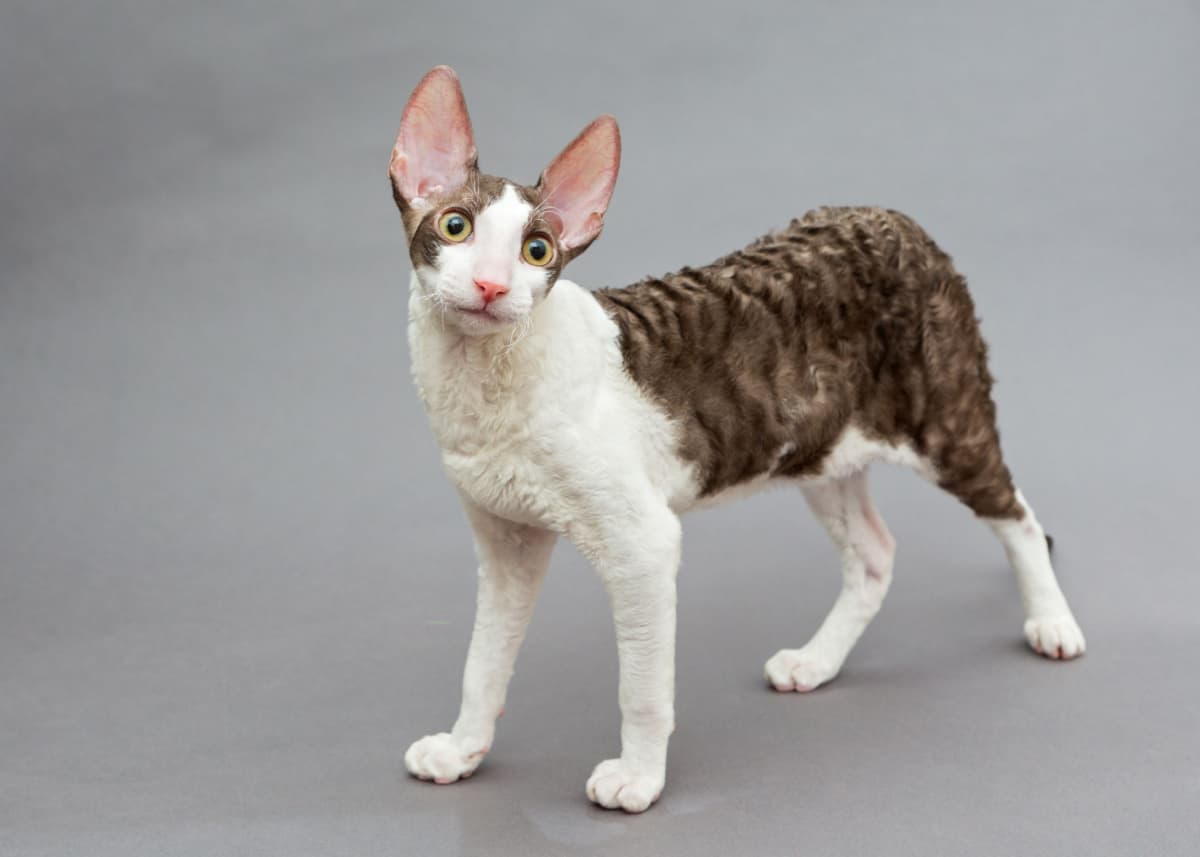
Curly cats come in all patterns and coat colors, including color points. The exact "allowed" look varies by breed.
Curly cats are a testament to the unique and diverse beauty found in feline genetics!
Want To Learn More About Cat Colors & Patterns?
So, whether it's the striking patterns of tabbies, the mesmerizing colors of tortoiseshells, or the elegant curls of Rex breeds, the world of cat colors and patterns is a captivating realm.
From solid coats to intricate markings, each cat is a work of art in its own right. So next time you see a cat, take a moment to appreciate the beauty and diversity that exists within its fur!
SIGN UP FOR THECATSITE'S EMAIL UPDATES >
And a few more resources here on the site that we think you'll enjoy reading next:
Share this article with cat-loving friends on social media and pin the image below for free!
Note: We may get commissions for purchases made through links on this page.

44 comments on “Cat Coat Colors And Patterns”