|
Written by Anne Moss
Very often, merely looking at a cat will tell you quite a lot about its overall health. It is important to know the things one should observe when
looking for a new cat. Please remember when adopting a new cat, that even a cat with less then excellent health may be a wonderful pet once it
gets the proper medical treatment.
Here are some things to look for when trying to assess a cat's health.
Behavior
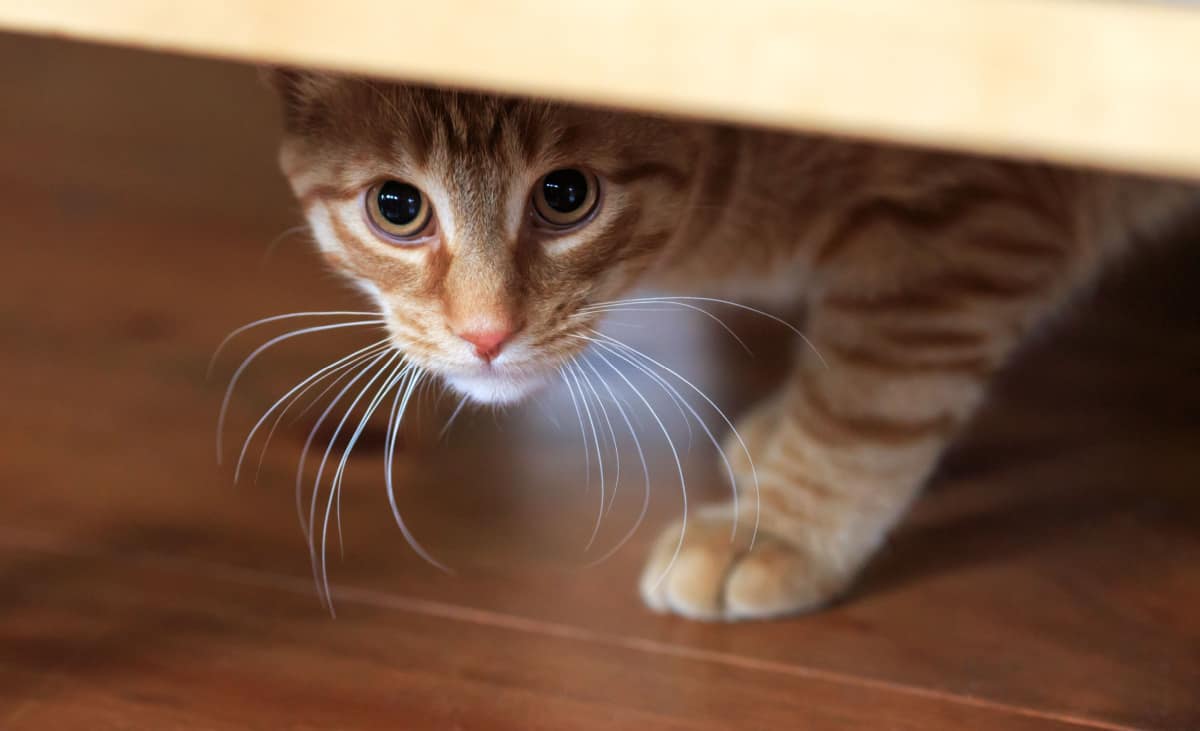
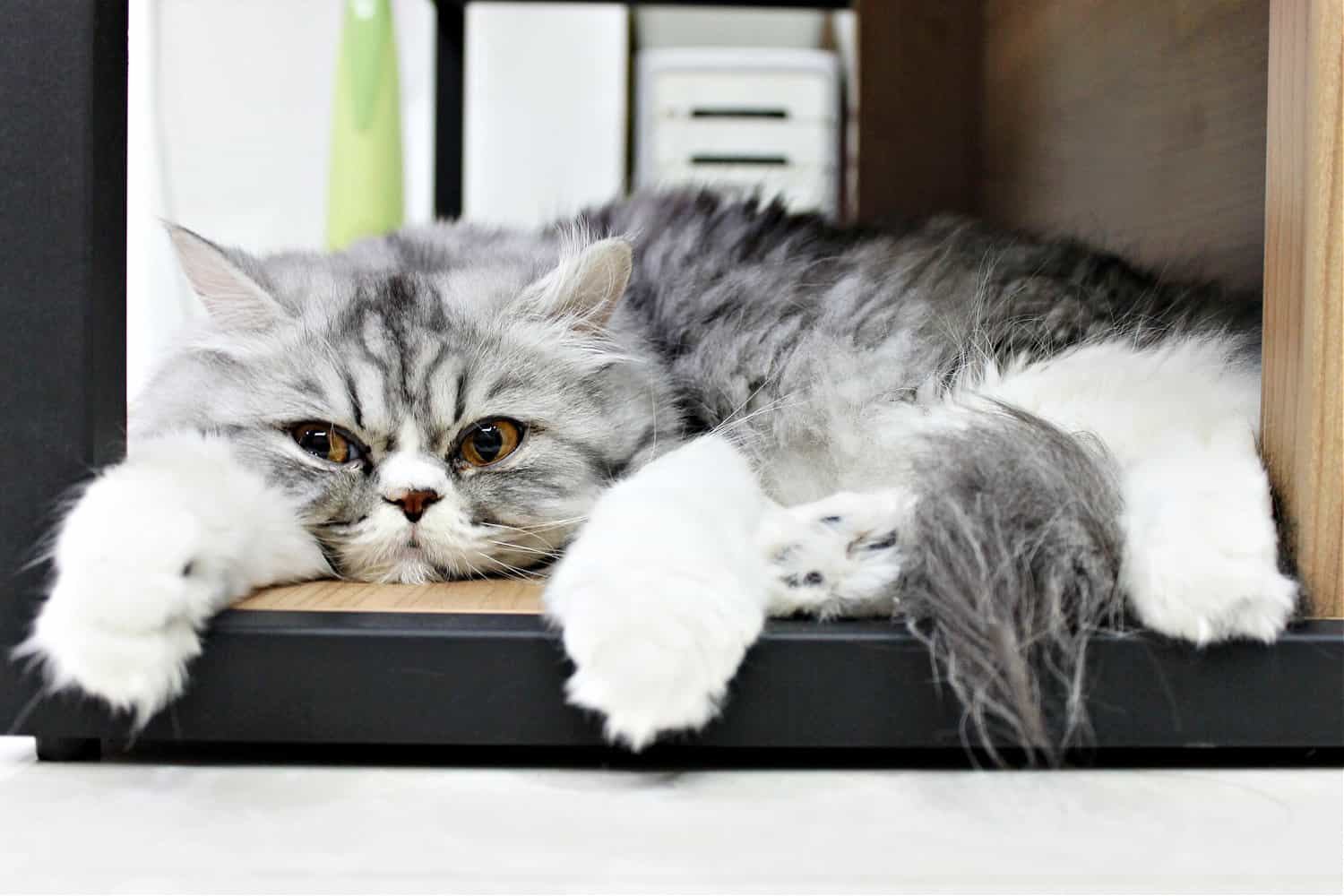
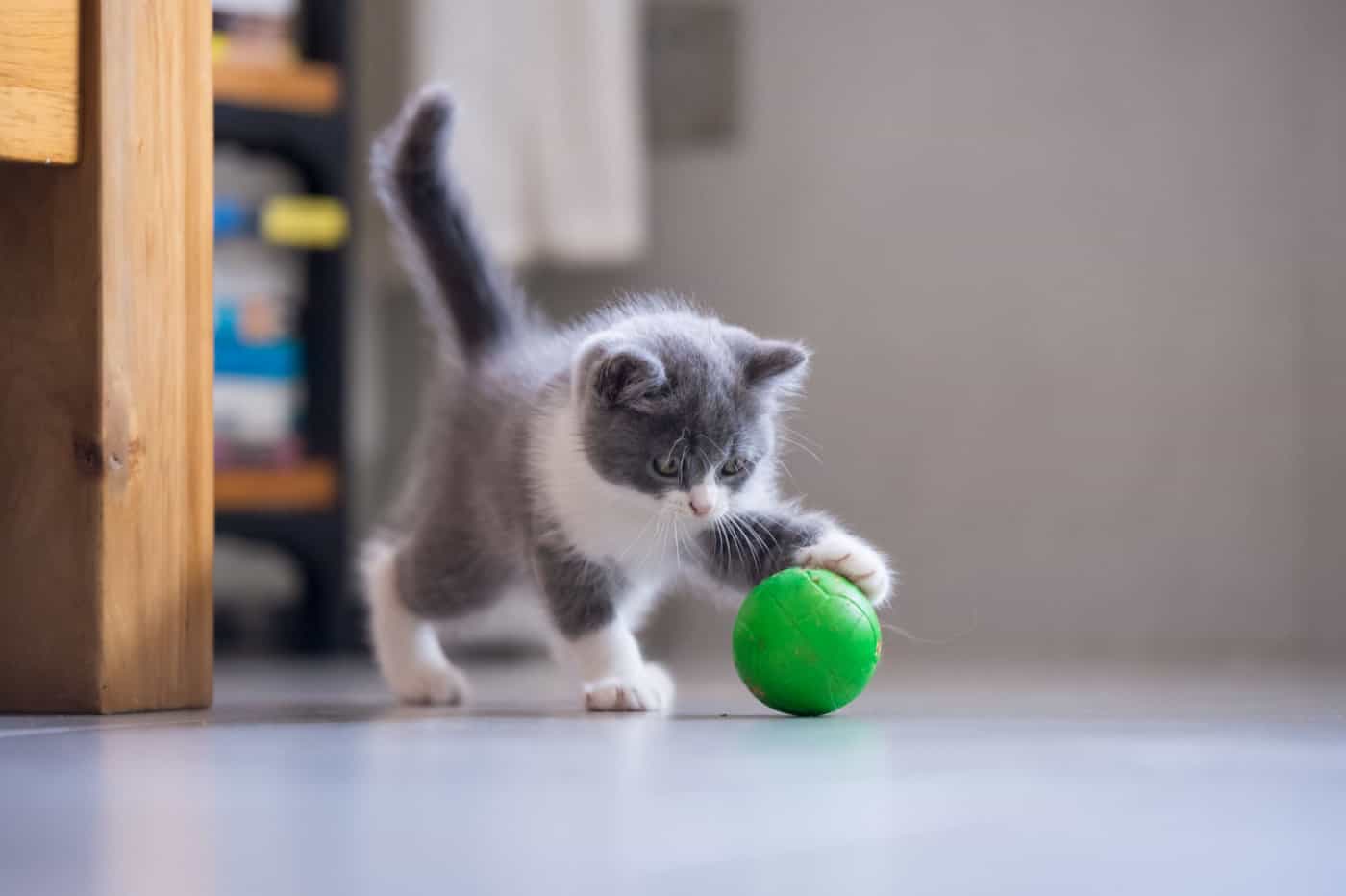
The level of activity may vary from one cat to another. Some perfectly healthy cats are very calm and do not easily respond to external stimuli.
Still, kittens are in most cases particularly active and curious - an indifferent kitten that does not move around much might be ill. After keeping a
cat for some time and coming to know its nature, you can identify with relative ease any significant change in the way the cat behaves.
Posture
Cats are the masters of balance. A healthy cat's gait is steady and fluid. A cat showing signs of losing balance could be suffering from
various health problems.
Coat
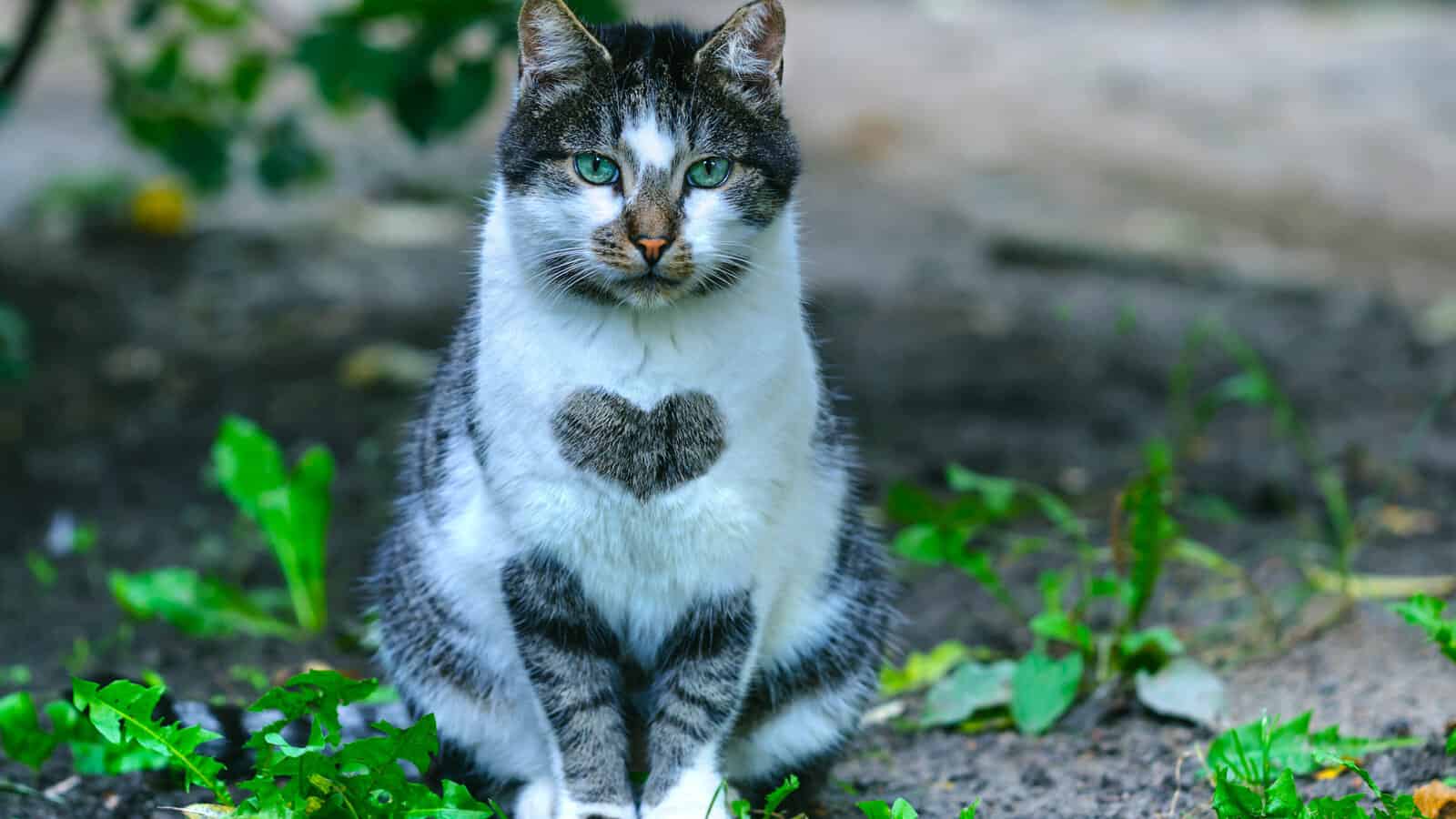
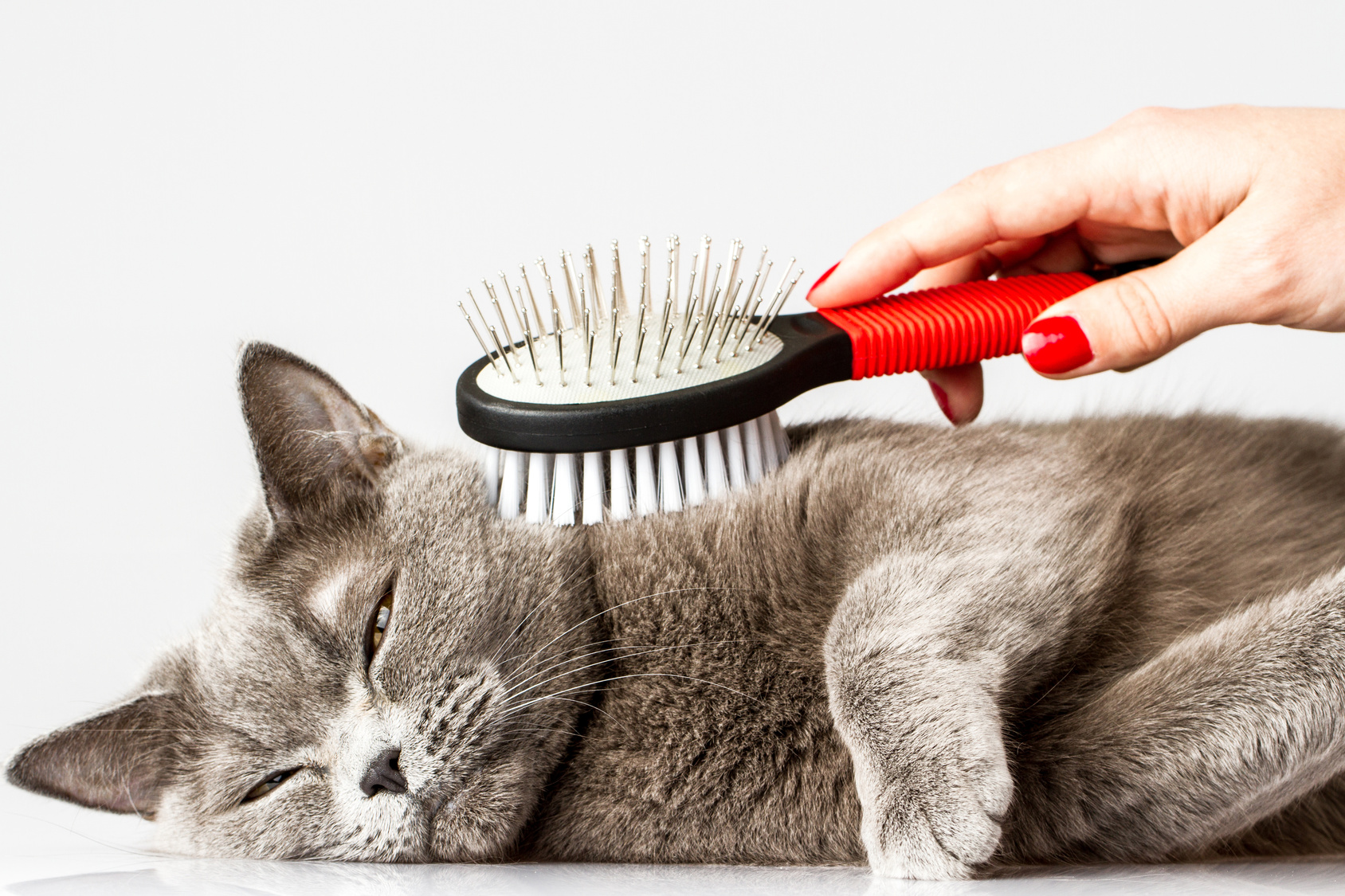
The cat's coat directly reflects its state of health. The fur of a healthy cat is smooth and pleasant to touch, and does not show bald patches,
wounds, or fleas. A dry and coarse coat may be a sign of unbalanced nutrition. The presence of fleas usually indicates the presence of worms in
the cat's intestines, as well as possible skin problems that might be directly caused by fleabites.
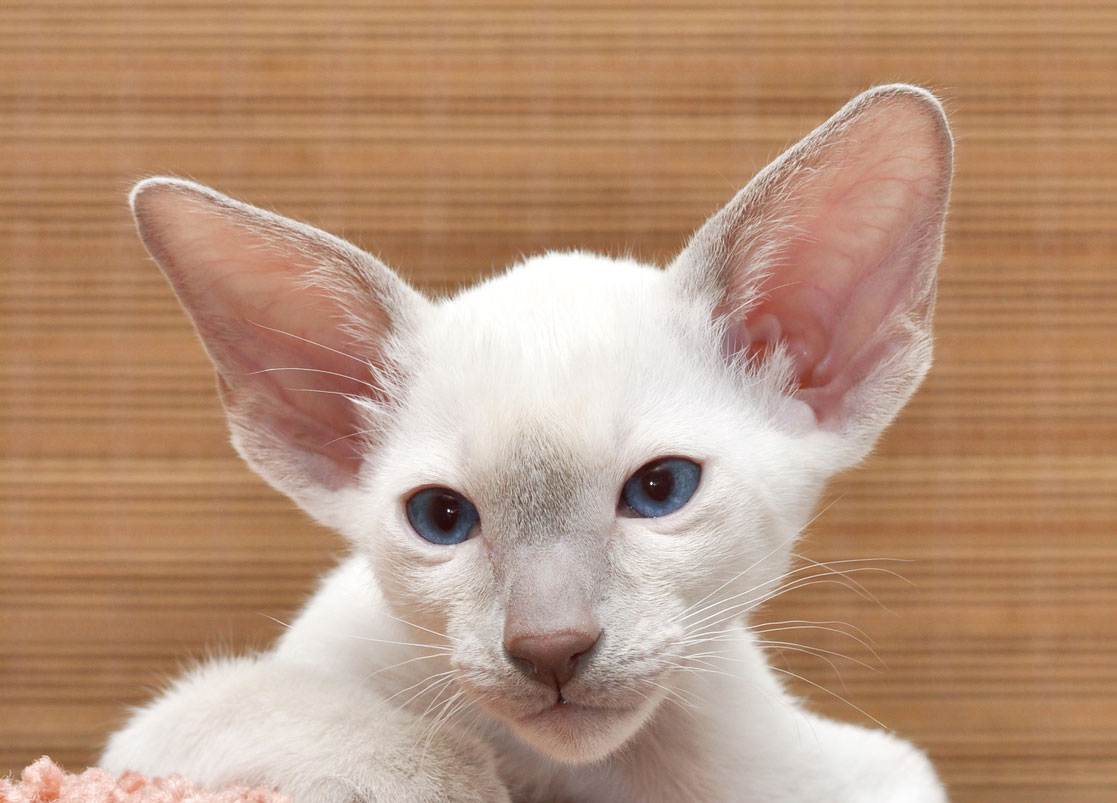
Ears
The cat's ears should be pink and clean. If you see a waxy brownish-black secretion in the cat's ears, check for the presence of ear mites (a
miniscule ear parasite common among cats). Very often, a cat infected with ear mites will also scratch its ears and shake its head. A vet needs
to give the final diagnosis and will also guide you about the treatment.
Eyes
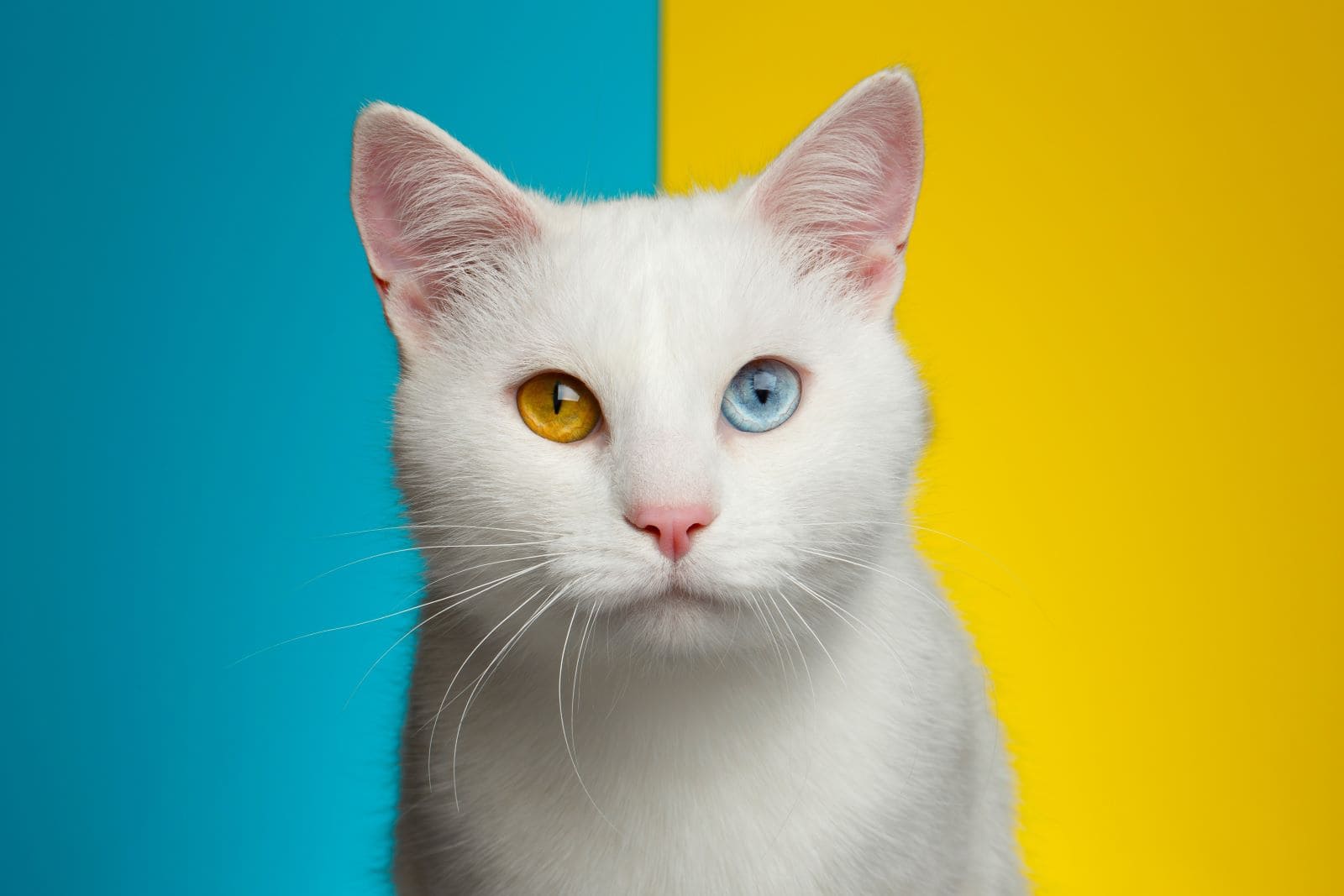
The healthy cat's eyes are shiny and clear, and lacking any secretion. Cats have a third, inner eyelid, which is usually wide open and not
exposed. If the third eyelid is not fully open, it can be seen covering a part of the eye. This situation can indicate a health problem, since it is often
a sign of physical or emotional stress.
Nose
The nose of a healthy cat should be velvety and pleasant in texture, and without any discharge. The nose can be moist to varying degrees, but
never very wet.
Mouth
The cat's mouth should be pink, clean, and without any bad breath. The teeth should be whole, white, and without excess tartar. It is
recommended to have the cat's teeth regularly examined, and teeth problems dealt with in a timely fashion. Other signs of possible mouth
disease are drooling and an apparent grooming problem - cats that suffer from infections in the mouth area often avoid self-grooming.
The rear
The cat's rear end and genitals should be clean - Dirt in that area might indicate a problem of diarrhea. Diarrhea may be a sign of poor
nutrition, worms or even some form of disease.
Once you bring your new cat home, it is important to keep an eye on its health and to pay attention to changes in its condition. The cat cannot
speak and tell us when something hurts or annoys it, and it is our duty to be alert. When a medical problem is suspected, do not hesitate. The
veterinarian should be called and consulted at once. Do not wait to see if the cat gets well on its own. Many medical problems can be treated
easily early on, while postponing treatment causes suffering to the cat and higher treatment costs.
Anne Moss is the founder and owner of TheCatSite.com. She is a cat behaviorist and a member of the Cats Writers
Association.
|