
Is your cat tipping the scale a bit too much? Like Buddy, the friendly shorthair featured in this article, your cat might be packing on a few extra pounds. But how do you tell if it's an issue? Do those extra pounds make your cat overweight?
This article will help you find the answers. We'll explore the details of cats and their weight, highlighting how size differs by breed and gender. We'll show you the telltale signs of a cat carrying excess weight and introduce you to strategies to combat the issue.
Join us as we tackle the silent epidemic of pet obesity, providing you with the tools and knowledge to keep your cat happy and healthy for years to come.
Buddy's Battle: A Look Into The Common Struggles Of Overweight Cats
Buddy is a friendly domestic shorthair cat. At six years of age, Buddy weighs 28 pounds. His owner, Michelle Endorf, confesses that she and her family have been at times embarrassed by Buddy's weight problem, fearing that guests might think they were neglecting the cat's health.
Recently, following veterinary advice, Michelle has been trying to help Buddy gradually lower some of his body weight. She is one of many cat owners who are struggling to deal with their cat's weight problems.
Cats, much like humans, may suffer from weight problems. In fact, in his book Animal Clinic for Cats, Dr. Jim Humphries maintains that obesity is the most common nutritional disease in pets. With a choice of tasty food and treats and a relatively sedate lifestyle, indoor cats are particularly affected by this problem.
Excess fat can have a bad effect on the cat's overall health. Overweight cats are prone to heart disease, arthritis, and a series of other health problems, and are often in poor shape.
Some cats are very overweight and are considered obese. Obese cats find it difficult to move around and are often short of breath. Maintaining a healthy weight helps to extend cats' life span and improve their quality of life.

The Ideal Weight For A Cat
So, we understand that keeping a cat from becoming overweight is essential. But what's the right weight for your cat? This isn't a one-size-fits-all answer, because cats, like people, come in all shapes and sizes.
Your cat's ideal weight is a balance, and that balance is unique to your cat. Two primary factors can help guide us to that balance: the breed of the cat and the cat's sex.
Each breed has its own range of healthy weights, largely influenced by their genetic makeup. The size and bone structure associated with the breed play a significant role in determining what's healthy.
And then, there's the cat's sex. Male and female cats naturally have different body structures and muscle mass, leading to variations in their ideal weight.
So, determining your cat's ideal weight isn't just a number on a scale, but understanding how their breed characteristics and sex interplay with that number. Remember, the scale is just one tool, and the aim is a happy, healthy, active cat. Every cat is a unique individual, and their weight should support their best life.
The Weighty Truth: Cat Breeds And Their Ideal Weight
This is the fundamental parameter in assessing a cat's ideal weight. For the larger breeds, such as the Maine Coon, a large fully-grown male can weigh 18 pounds (8 kilos) without being the least overweight.
A female of a smaller breed, the Singapura, may actually be overweight at a mere 7 pounds (3 kilos)! Cats that are not purebred should usually weigh between 8-12 pounds (3.5-5.5 kilos), depending on the cat's bone structure.
For a more in-depth look at obesity in cats, read our guide here.
The Gender Scale: How Sex Impacts A Cat's Weight
Male and female cats of the same breed also show differences in weight. Males typically weigh 2-4 pounds more than their female counterparts. This is their natural weight, reflecting the typical size difference between genders.
But, what about neutered cats? Neutering doesn't directly cause weight gain. It's about the calories. Neutered cats need fewer calories to maintain their weight. If their diet doesn't adjust accordingly after the procedure, they're likely to gain weight.
Don't dismiss this weight gain as 'natural' or 'inevitable'. It needs your attention, just like any weight change.
All in all, knowing the ideal weight for your cat is about understanding their breed and sex. Combine this knowledge with your vet's advice, and you can help ensure your cat enjoys a healthy and active life. It's all part of loving and caring for your furry friend.
SIGN UP FOR THECATSITE'S EMAIL UPDATES >
Hands-On Approach: How To Assess Your Cat's Weight
To accurately evaluate your cat's weight, tactile examination is key. It's a simple, at-home method that requires no more than your hands and a bit of knowledge.
To start, gently place your hands on your cat's sides, just as if you were giving a soft hug. Try to feel for the ribs under their fur. Your fingers should be able to identify individual ribs as you lightly press down. While the ribs shouldn't be sticking out, they shouldn't be hidden under a thick layer of fat either.
In an ideally weighted cat, a thin layer of fat cushions the ribs, allowing them to be felt without too much pressure. The rule of thumb is simple: If you're having trouble finding those ribs, it's time to reassess your cat's diet and exercise routine.
Next, take a look at your cat's overall shape. In obese cats, it's not just their ribs that are hard to locate. They tend to carry a lot of excess weight around their abdomen, making them appear larger than normal. You might notice a substantial, sagging belly and your cat may struggle with everyday tasks, like walking or grooming themselves.
This is a red flag and could be a sign of obesity. However, bear in mind that rapid weight gain can sometimes be a symptom of an underlying health condition. If you notice any drastic changes in your cat's weight or behavior, it's crucial to seek immediate veterinary care.
The aim is not to make your cat ultra-skinny but rather to ensure they maintain a healthy weight, improving their quality of life and longevity. An ongoing commitment to monitoring and managing your cat's weight is essential to their overall well-being.
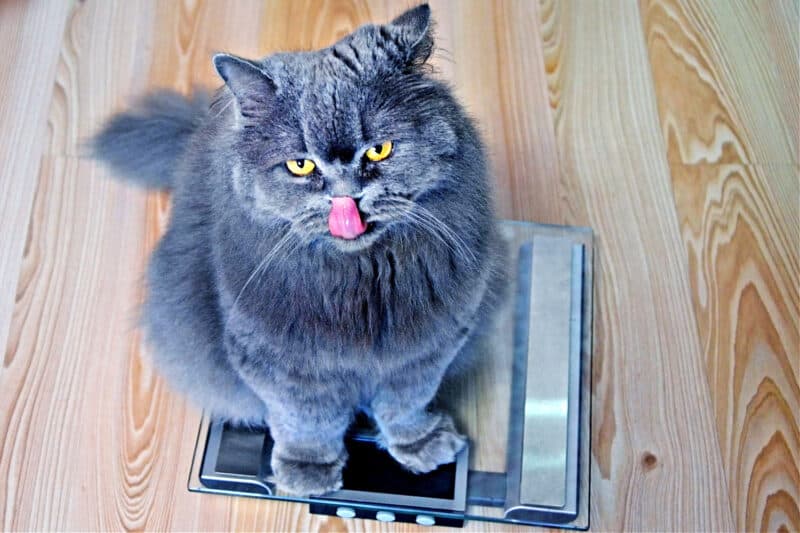
Strategic Steps: Crafting A Cat Weight Loss Plan
Creating a weight loss plan for your cat isn't a solitary task. It's a collaborative effort between you and your veterinarian, aimed at ensuring your furry friend's health.
Firstly, you should consult your vet, as they are an invaluable source of personalized advice based on your cat's individual needs. They will consider factors such as your cat's age, breed, current weight, and overall health status before suggesting a suitable weight loss goal. Together, you can set a realistic timetable that promotes gradual and healthy weight loss.
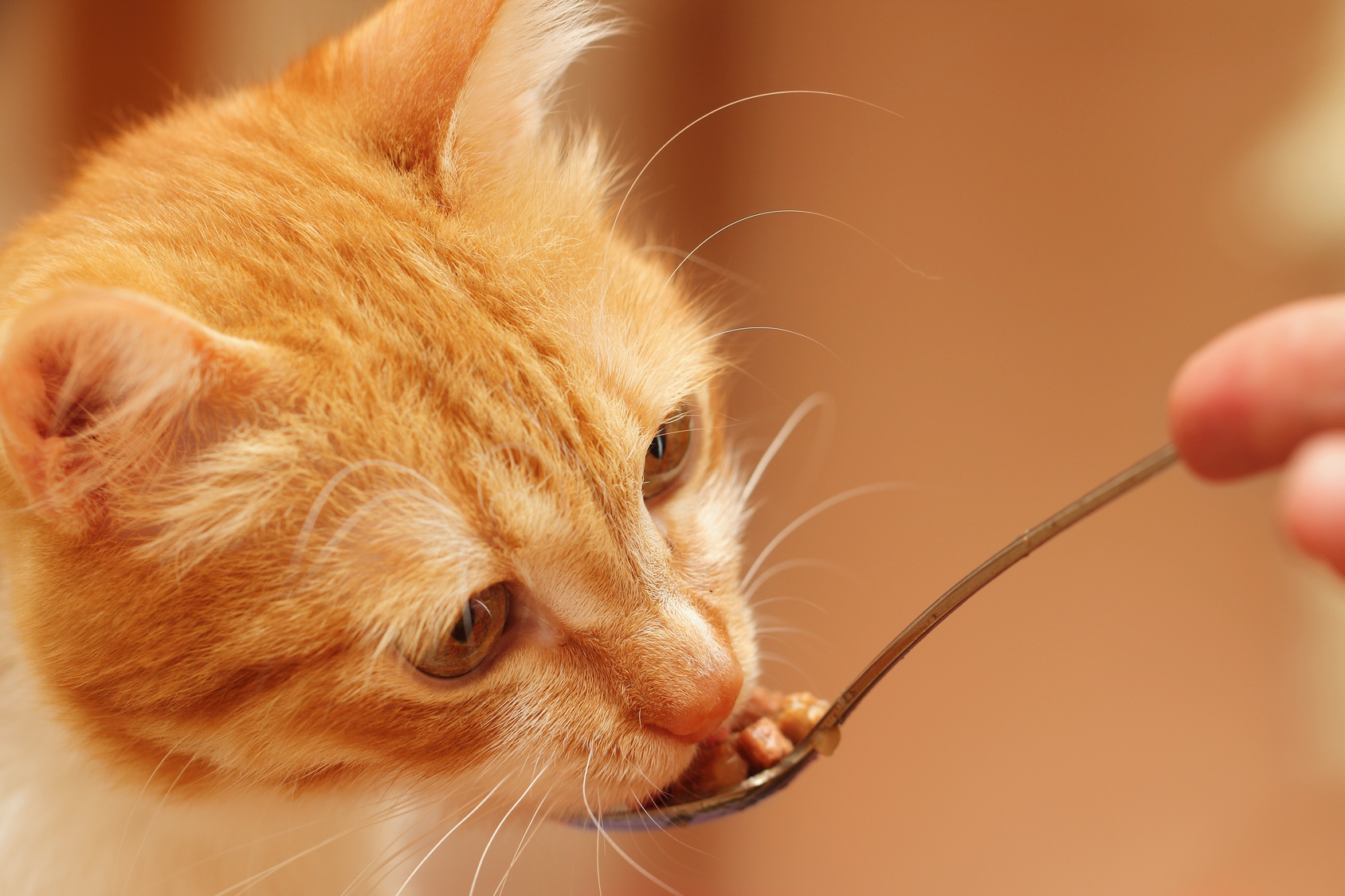
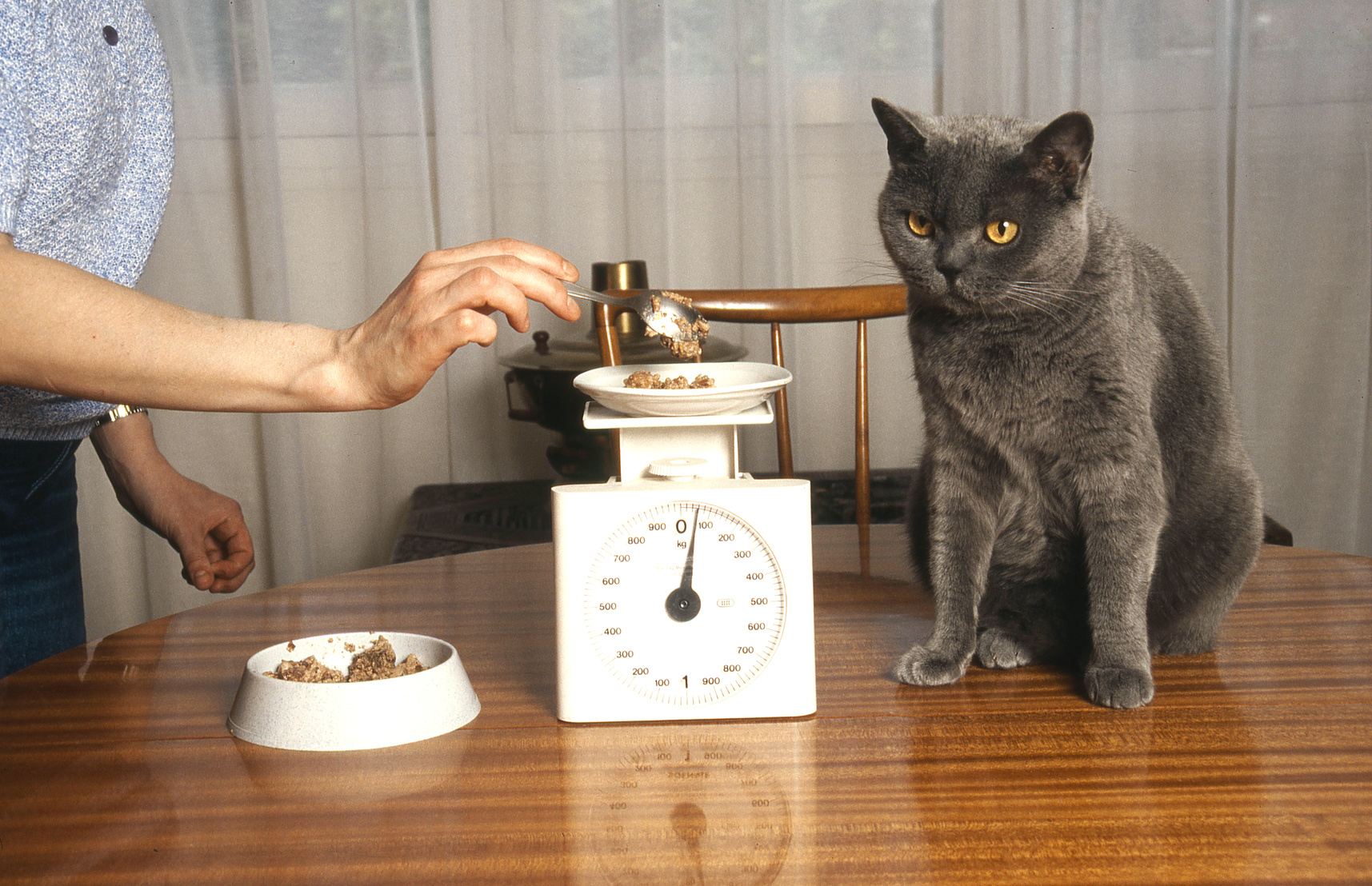
An essential part of the weight loss plan will involve dietary adjustments. Your vet might recommend a specially formulated low-calorie cat food designed to promote weight loss while still meeting your cat's nutritional needs.
Physical activity is another cornerstone of the plan. Regular exercise will help your cat burn off extra calories, as well as improve muscle tone and overall health. This could include adding more playtime into your routine or even introducing cat-friendly toys that encourage physical activity.
Importantly, all changes in diet and exercise routines should be introduced gradually to avoid stressing your cat. Abrupt changes can lead to behavioral problems or other health issues.
Lastly, it's crucial to highlight that kittens are not suitable candidates for a weight loss diet. Their growing bodies require plenty of nutrients, including fats, for proper development.
If you're concerned about your kitten's weight, seek professional advice before making any dietary changes. Always remember, the health of your cat should always be the priority when formulating a weight loss plan.
Ensuring Your Cat's Optimal Health: Takeaway Points
In wrapping up, it's clear that maintaining your cat's ideal weight is vital for its overall health and quality of life. The journey of understanding your cat's health begins with recognizing that each cat is unique - their ideal weight varies based on factors like breed and sex.
It's important to keep an eye on your cat's physical attributes and behaviors. Regular hands-on assessments are key - feeling your cat's ribs and observing any changes in their mobility or behavior can be tell-tale signs of weight issues.
If you suspect your cat is overweight, remember it's not just about losing the extra pounds. It's about instilling a healthier lifestyle that combines a balanced diet, regular exercise, and mental stimulation.
And while kittens may seem small and chubby, they should never be put on a weight loss diet without strict veterinary guidance as they require all the nutrients for healthy growth.
But, most importantly, the journey doesn't have to be traveled alone. Your vet is a vital partner in this process, from detecting early signs of obesity to planning and monitoring a suitable weight loss plan.
Remember, a healthy cat is a happy cat. Don't hesitate to reach out to a vet if you have concerns about your cat's weight. Take the first step today to ensure your furry friend enjoys a long, healthy, and fulfilling life.
SIGN UP FOR THECATSITE'S EMAIL UPDATES >
Comments? Leave them using the form below. Questions? Please use the cat forums for those!
Note: We may get commissions for purchases made through links on this page.

5 comments on “Is Your Cat Overweight? Understanding Cat Weight Management”