
Flat Chested Kitten Syndrome, commonly known as FCK, is a condition that may sound peculiar, but it’s a very real challenge for the small felines it affects.
Imagine a tiny and vulnerable kitten struggling with a deformity that affects its ribs and sternum, known medically as Pectus Excavatum or colloquially as Funnel Chest.
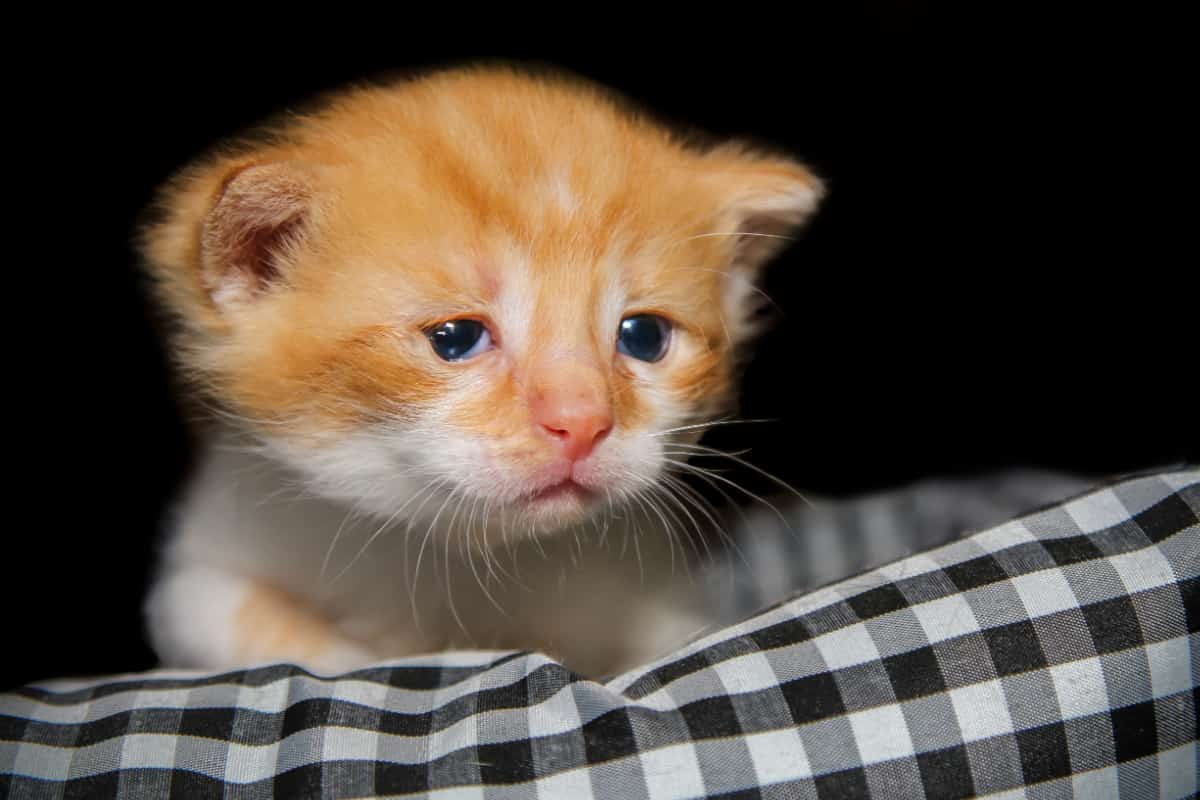
At first glance, it might seem like the kitten is simply less energetic or has trouble breathing. However, FCK is more than meets the eye.
Let's go through the symptoms, causes, treatments, and personal stories of kittens who have faced this condition, and learn how they, and their caregivers, navigate this unique challenge.
What Are The Symptoms?
The kitten's chest is flat, rather than rounded, and the ribs bow out more than normal, along the kitten's sides.
The sternum may also collapse inwards as the kitten breathes. In more severe cases, the sternum is permanently curved inward, creating a furrow along the kitten's chest.
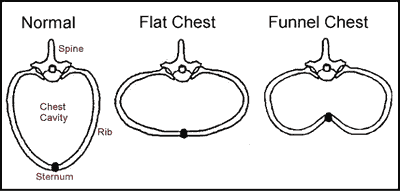
As well as the flat or furrowed chest, the kitten may:
- Pant or show open-mouthed, heavy breathing
- Tire easily
- Show a reduced activity level (lethargy)
- Have a significant delay in growth
- Have a general loss of condition
- Have splayed front legs
A flat chest means the kitten cannot properly expand his lungs with each breath.
The muscles between the ribs and the muscles of the diaphragm do not contract and relax properly, so the kitten must make an effort to get enough oxygen to his body.
It will often look as if the kitten has a problem with his airways, such as a blockage or infection but on closer examination, the cause is found to be FCK.
A heart murmur sometimes accompanies FCK as the heart is also affected by the lack of space within the chest.
What Causes It?
It is not really known why some kittens develop FCK and others, even in the same litter, don't. There are several suggestions on why FCK occurs:
Environment
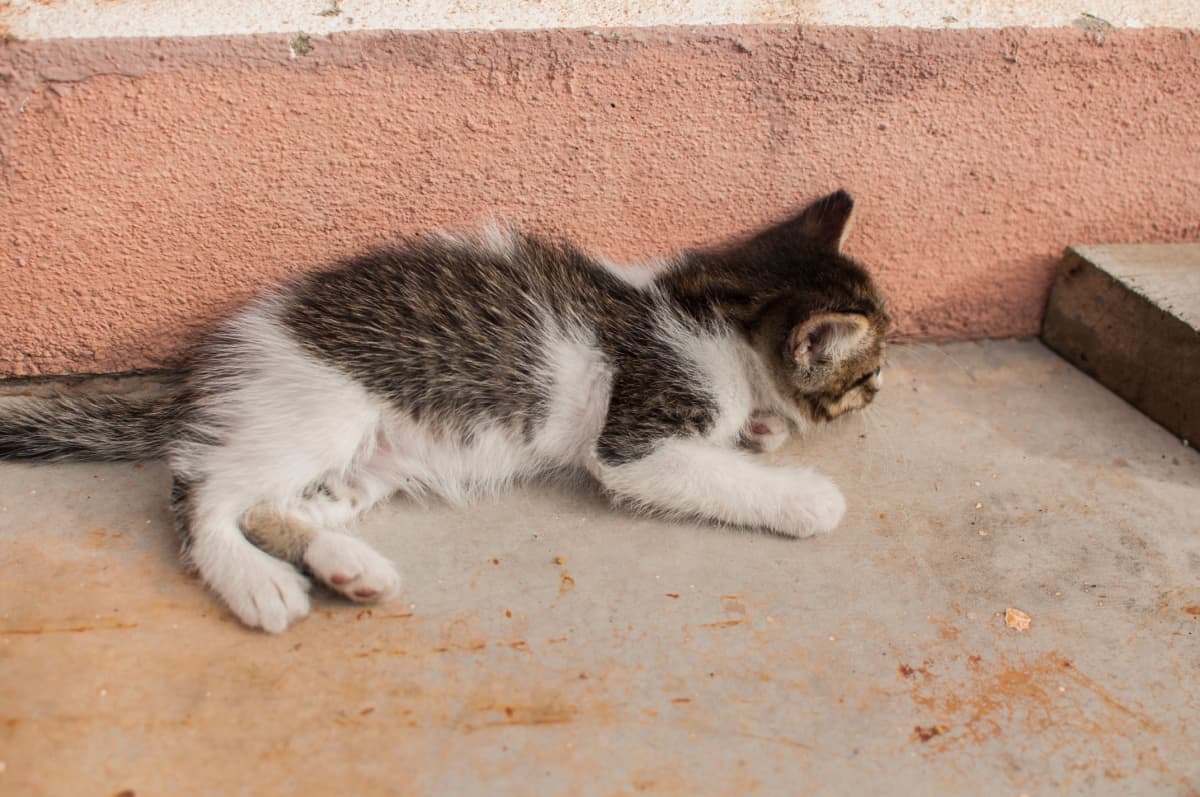
It may be caused by the surface the kittens are on being too flat or hard or slippery. Also, perhaps the FCK was caused by bacteria or a virus.
Nutrition
It may be due to a taurine or calcium deficiency in the mother cat during her pregnancy, causing the kitten's bones to be softer than usual.
Genetics
It may be a hereditary trait where the kitten inherited FCK from one or both of his parents. They may not have FCK themselves but may be carriers of the genes that cause the condition.
These are just some of the theories on what causes FCK. Experts such as vets, professionals, and breeders still don't know exactly what causes it.
SIGN UP FOR THECATSITE'S EMAIL UPDATES >
Therapeutic Approaches And Solutions For Addressing FCK
Caring for a kitten with FCK can be a challenging but rewarding experience.
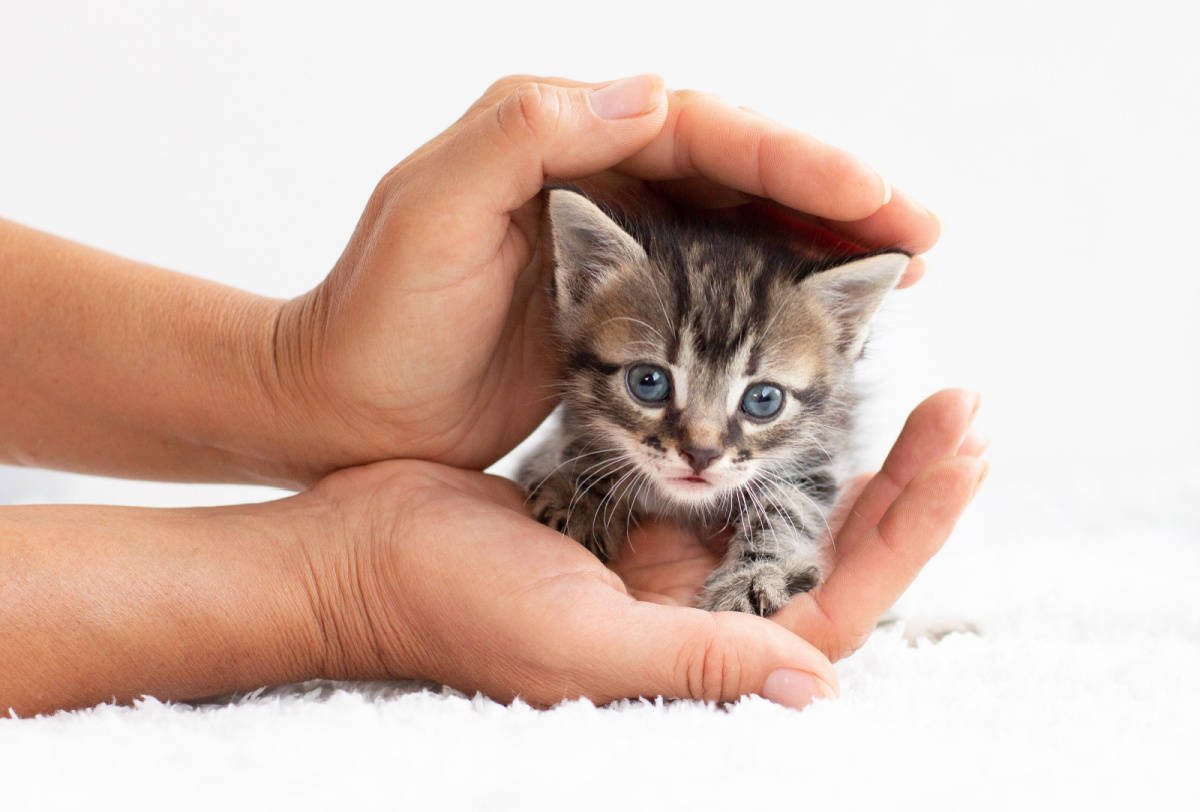
It is important to understand the available treatments and options to ensure the kitten has the best chance for a healthy and fulfilling life.
Prognosis And Natural Recovery
The journey to recovery starts with understanding the prognosis. If the FCK is mild, the kitten may grow out of it without any intervention and eventually develop a normal, rounded chest.
Physiotherapy For FCK
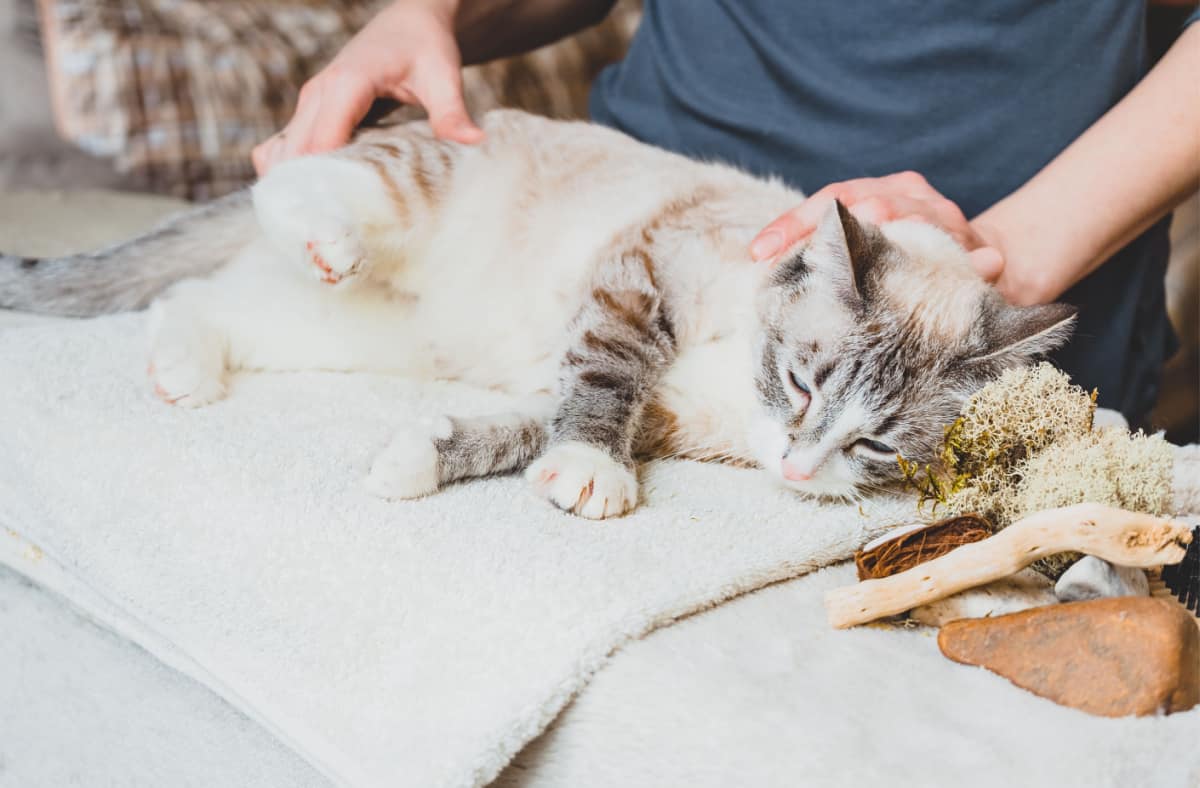
Physiotherapy can play a crucial role in managing FCK. Twice daily physiotherapy, in which you gently flex and massage the kitten's legs into the normal position, may help.
This treatment can loosen and lengthen the muscles and tendons in the legs, allowing them to gradually develop into the correct position.
Addressing Splayed Legs
Splayed legs can be a common issue for kittens with FCK.
If a kitten has splayed legs and prefers to lie on his back or flat on his stomach, turning him to lie on his side and gently holding him that way for a few minutes, several times a day, can be beneficial.
Supplemental Feeding For Kittens With FCK
Nutrition is key to a kitten's overall health.
The kitten may need supplemental feeding with a kitten formula such as KMR or Just Born to help maintain his weight and good condition.
This can be particularly important for kittens with FCK who may have trouble nursing from the mother cat.
Encouraging the kitten to walk as they get older can also help the chest return to a more normal shape.
Surgical Treatment Options
In some cases, surgery may be the best option for treating FCK.
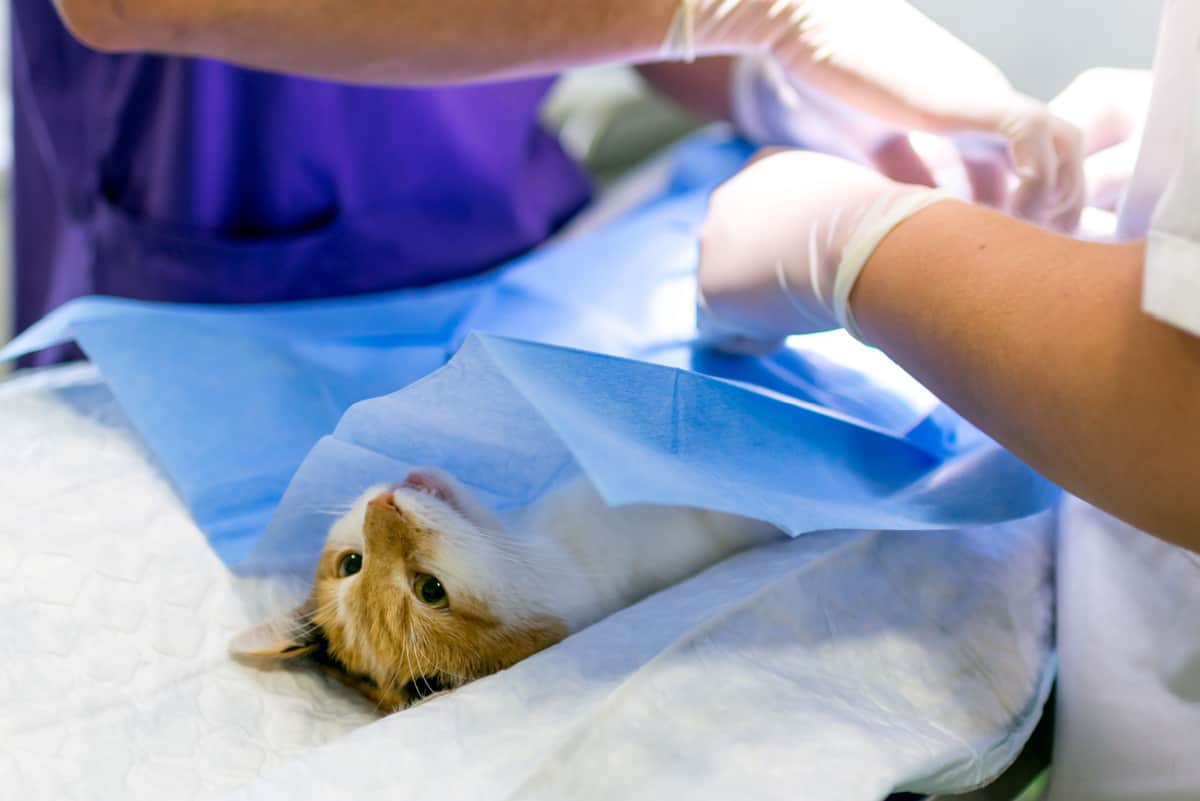
Surgical correction has proven to be successful and involves fixing the ribs and sternum to an external splint, which moves them into the correct position.
The earliest a kitten can have this surgery is at eight weeks old.
Seeking Professional Evaluation
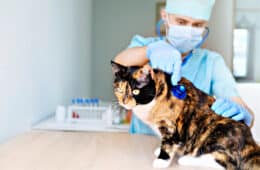
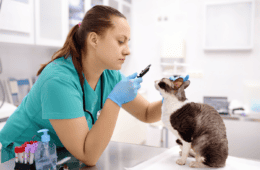
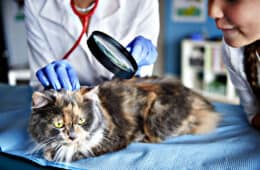
It's important to get a professional opinion if you suspect a kitten has FCK. Taking him to a vet for a full evaluation is crucial.
In severe cases of FCK, if the kitten suffers extensively or shows no hope for recovery, veterinarians may recommend euthanizing him.
Coping With Mild FCK: A Success Story
Mild or moderate cases of FCK don't necessarily spell a lifetime of health issues for kittens.
In fact, with proper care and attention, many kittens with mild FCK grow up to lead normal, healthy lives as adult cats.
Take the story of Vegemite, for example. Born with moderate FCK, Vegemite faced an uphill battle from the start.
In addition to her chest deformity, she also had a heart murmur, a condition that can sometimes accompany FCK due to the lack of space within the chest.
Despite these challenges, Vegemite's caregivers were determined to give her the best chance at a happy life.
With regular check-ups, proper nutrition, and plenty of love and attention, Vegemite slowly but surely began to thrive.
Her story is a testament to the resilience of kittens with FCK and the difference that dedicated care can make in their lives.
Reflecting On FCK And The Strength Of Kittens
As we come to the end of our exploration into Flat Chested Kitten Syndrome, it's clear that with the right care and attention, kittens with FCK can overcome their challenges and lead happy, healthy lives.
The journey of Vegemite, who grew from a vulnerable kitten with FCK into a thriving adult cat, shows us the strength and resilience that these felines possess.
It serves as a valuable lesson in the power of dedicated caregiving and the importance of understanding and addressing the unique needs of kittens with FCK.
Let us continue to educate ourselves and spread awareness about this condition, so that more kittens like Vegemite can have the chance to enjoy full, joyful lives.
SIGN UP FOR THECATSITE'S EMAIL UPDATES
Comments? Leave them using the form below. Questions? Please use the cat forums for those!
Explore our other articles to deepen your understanding of the various health conditions that can affect cats.
Cat Epilepsy: Essential Information For Better CareCat Epilepsy
Introduction To Feline Diabetes: From Diagnosis to Daily Care
Note: We may get commissions for purchases made through links on this page.

2 comments on “Flat Chested Kitten (FCK): From Diagnosis to Dedicated Care”