
You might have found yourself asking the question, "How do I choose the best veterinarian for my cat?" Selecting a vet for your cat is a pivotal decision. Start by defining your needs—proximity, clinic size, and specific expertise.
Consider your cat's unique health needs and whether advanced technology, like laser surgery or CAT scans, is important.
Remember, while high-tech tools can aid in diagnosis, they may also increase costs.
Ultimately, the right vet balances your preferences, your cat's health, and your budget. To guide you through this important decision, keep reading for more details.
Understanding the Differences: Animal Hospital vs. Veterinary Clinic
First, let's discuss the differences between a veterinary clinic and a veterinary hospital.
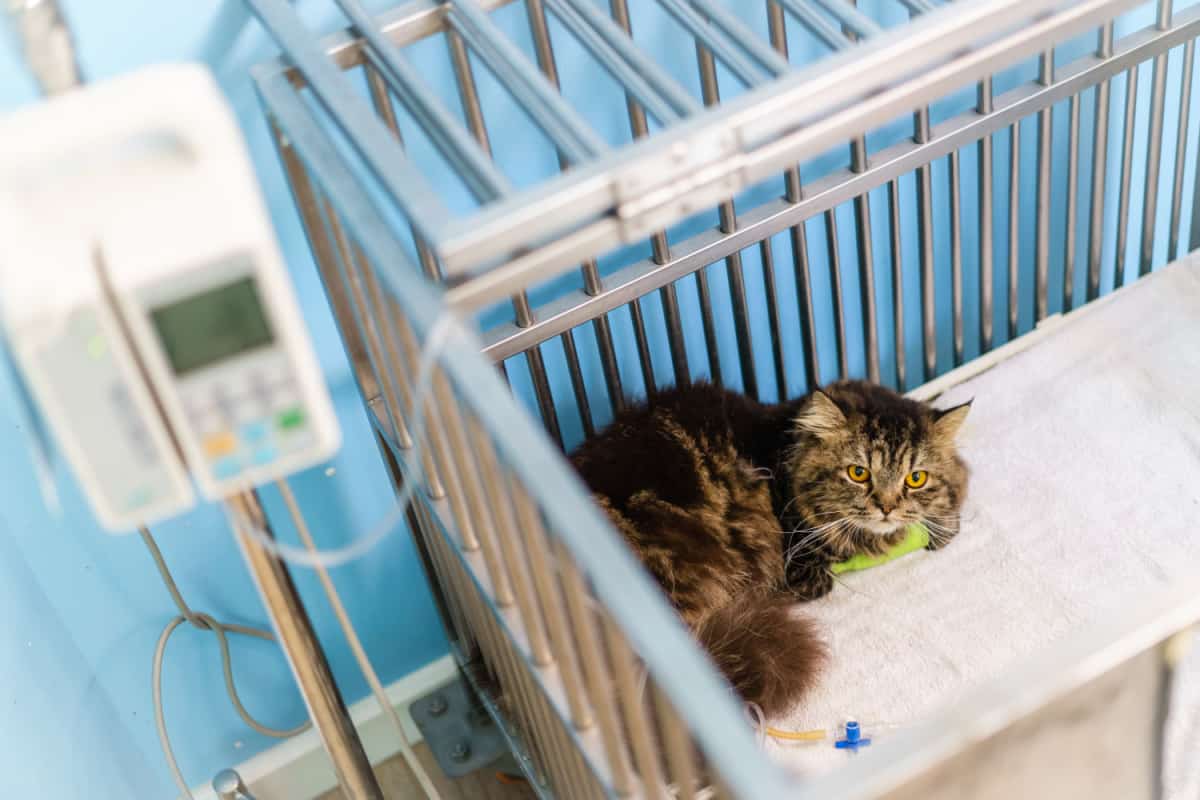
By definition, a veterinary "clinic" has a set number of hours in which it is staffed or open and does not provide 24-hour care.
A "hospital" is available 24 hours and staffed by either a veterinarian or para-professional staff at all times.
What is an AAHA Hospital?
Some veterinary hospitals are accredited by the American Animal Hospital Association (AAHA)
This means that they have fulfilled certain requirements designed to increase the level of care being provided to companion animals.
A hospital may achieve AAHA certification in one or more of seven categories.
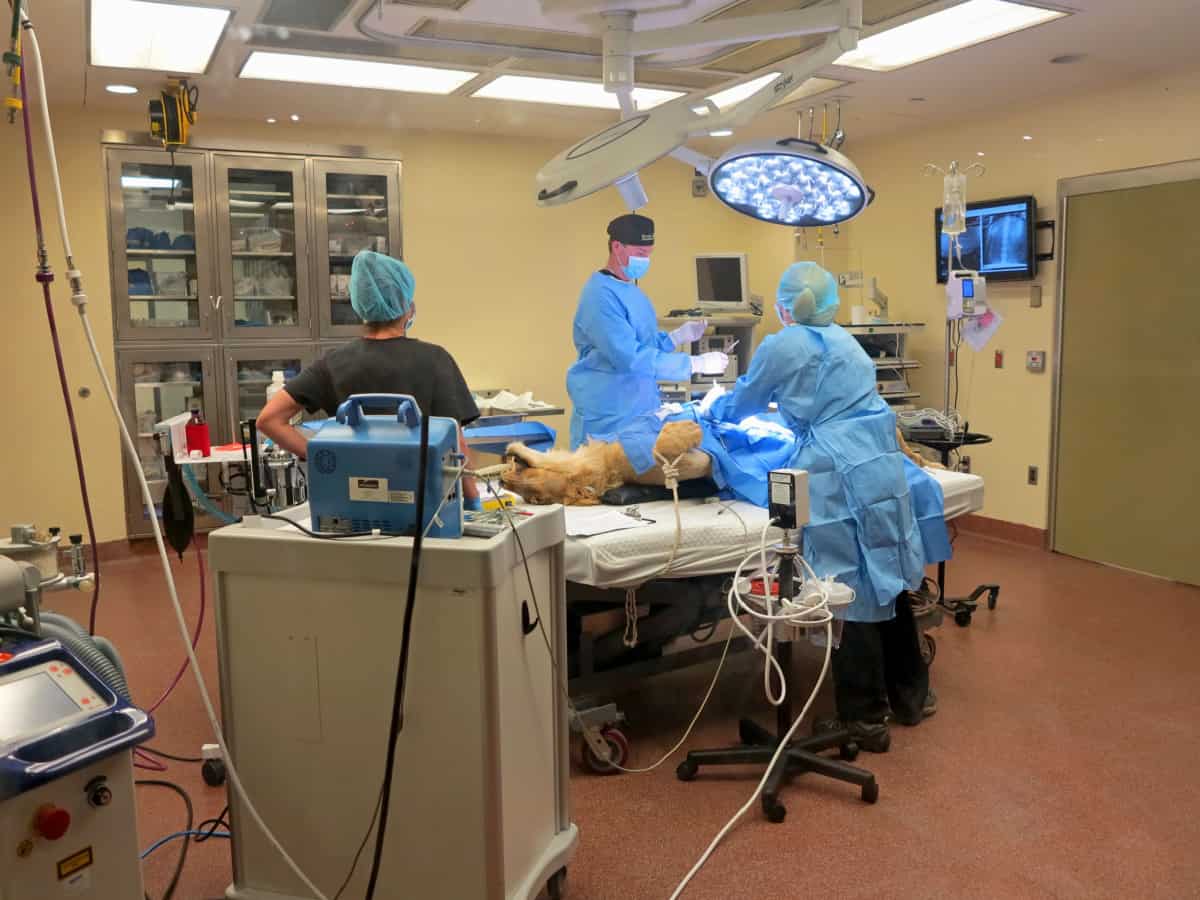
While our primary interest is in the 'Feline' category, the others encompass Traditional Medicine, Avian Medicine, Emergency Care, Emergency and Critical Care, Dentistry, Surgical, and Ophthalmology.
Distinguishing Feline Specialists from Feline Practitioners
A "Feline Specialist" is an American Board of Veterinary Practitioners (ABVP)-certified vet focused solely on cats, demonstrating superior knowledge and expertise in feline care.
A "Feline Practitioner," while also cat-focused, may not hold an ABVP certification.
They still have significant experience in feline care, including diagnosing and managing unique feline diseases.
While both specialize in cat care, the key difference lies in the level of their certification.
What About Emergency Veterinary Services?
If there is no other emergency facility available near you, then a "hospital" might be your best bet.
Problems don't necessarily show up during office hours, and knowing where the closest 24-hour facility would be a really good idea.
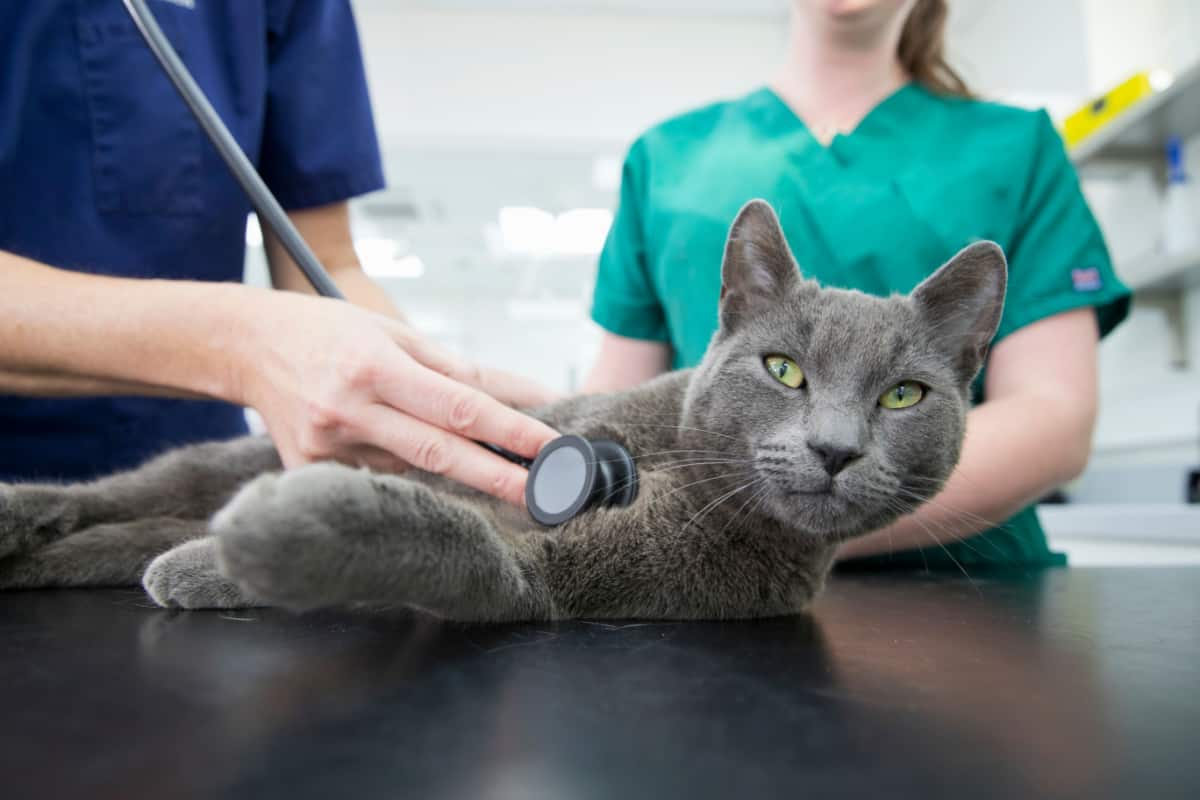
Other owners opt to use a clinic for their scheduled veterinary appointments and visit a designated emergency facility near them if needed.
If you go this route, make sure you keep the emergency facilities phone number and address somewhere you can find it when you are upset and approaching hysteria.
How Do I Begin Looking For A Veterinarian?
Finding the right vet for your feline friend can feel like a quest, but it doesn't have to be daunting. Here's a quick, easy-to-follow guide to streamline your search and help you find the perfect match:
1. Ask Around
Start with friends or family who have pets. What do they like or dislike about their vet clinic?
2. Research
If you're new to the area, skim through your local directory for potential options. Consider looking for an AAHA-accredited hospital with feline specialists.

3. Don't Sweat the Specialist
Can't find a feline specialist? Don't fret. Many general vets prioritize continuing education and staying updated on the latest practices.
4. Make a Shortlist
Based on your research, shortlist about five vets who seem like a good fit.
5. Phone Call Check
Call each vet on your list. Ask about their hours, emergency procedures, staff size, and appointment availability. This will also give you a sense of their customer service.
6. Site Visit
Swing by each clinic. Take note of the drive time, traffic conditions, parking availability, and the general upkeep of the premises.
Remember, this is a process of elimination, so feel free to cross off any options that don't meet your standards or expectations.
Your cat's care is paramount, so take your time and choose wisely!
Scheduling a Vet Hospital Visit: What to Look For
After narrowing down to 3-4 options, arrange a tour of each facility. They should be open to scheduled visits, but if not, consider crossing them off your list.

During the tour, pay attention to the following:
The Areas
Reception, exam rooms, labs, emergency areas, kennels, cages, and a glimpse of the surgery room.
Cleanliness
The place should look organized and clean. A faint disinfectant smell is normal, but an overpowering stench of waste is a red flag.
Staff Professionalism
Look out for professional-looking techs and other staff members.
Post-visit, eliminate any places that didn't sit right with you. Once you're down to the final contenders, schedule an interview with each vet to understand their veterinary philosophy.
SIGN UP FOR THECATSITE'S EMAIL UPDATES >
How Do I Interview a Prospective Veterinarian?
Investing in a "no animal present" interview can be a cost-effective way to chat with a potential vet without the usual distractions.
Remember, your vet is an integral part of your cat's care, so it's crucial to find someone you can communicate with effectively.

Here's a quick guide to conducting a successful vet interview:
Affordability
Even if you can only afford to interview one vet, that's okay. The aim is to avoid regret later.
Remember Your Role
You're not just a pet parent; you're also the vet's employer. It's vital to find a vet who respects your insights and is open to discussions.
Preparation
Prepare for each visit by jotting down questions. This ensures you don't forget important points during the actual conversation.
Question Time
Have a list of questions ready. Include any concerns specific to your cat's needs. A written list will help keep the conversation focused and productive.
Here is a list of several questions you might think about asking them.
1. Do you own a cat? Other pets?
Of course, it is not necessary that a vet own a cat or even any pets at all, but it's a good icebreaker and gives you insight into their relationship with animals.
2. What vaccinations are required for an overnight stay at this facility?
There are no wrong answers, but if you are an owner who prefers a minimum of vaccinations and they require everything under the sun, it's a red flag.
3. How many vets work here, and can I always see the same one?
If a relationship with a veterinarian is important, then being able to always see the same one is important too.
Of course, vacations and days off are necessary for them to remain sane, so who will see your pet when they are not available?
4. How are emergencies handled?
Are they treated here, in this building? Is a veterinarian always here? Or do you refer out to another location?
5. What type of overnight staff do you have?
If your pet must be left overnight, will there always be someone there to watch them?
Is a veterinarian always available for a middle-of-the-night crisis?
6. Will I be able to receive copies of any lab reports on my animals?
Getting copies of any reports is always a good idea, but some vets seem to want to keep them a secret. You may want copies so you can go home and research things you don't understand.
7. What is your feeling about using alternative medicine therapies?
Some veterinarians are open-minded about alternative therapies like herbs, acupuncture, etc., and some are not. You want a veterinarian who thinks the way you do.
8. How do you view the importance of nutrition in a cat's health?
If you are a raw feeder or use only natural ingredient foods, this is something you need to know about your veterinarian.
Feeding is a hot topic for many pet owners, and you want a veterinarian whose thoughts agree with your own.
9. Will you write prescriptions for expensive medications so I can shop around to buy online and save?
Selling medications is one way a veterinary practice makes money, and you want to support your veterinarian as much as possible.
But in some instances, you can find higher-priced medications for significantly less if you shop around.
Is your vet willing to write a prescription so that you may do that?
10. Do you offer any multi-pet discounts?
Some do, some don't, but if you have several pets, it's worth asking about.
11. Are you willing to do a phone consultation or a home visit in the event of a difficult case?
You are just wanting to determine their reaction to this question- it will tell you if they are open to help or think they have all the answers.
Nobody has all the answers, and if they need help to solve a problem, they should be willing to accept it. The well-being of the cat is always the most important consideration.
12. How often do most cats you see require teeth cleaning, and what anesthesia is generally used?
Their answer to this should be along the lines of "It depends." There are no absolute answers, and every cat is different.
Each anesthesia choice should be determined by the specific needs of the individual cat.
13. Do you offer grooming services?
It might come in handy if they do.
14. If I have difficulty understanding a complex case, will you review the basics of the disease with me?
You want someone who will take the time to answer all of your questions so that you leave understanding what just happened.
We all know that they haven't had the time to discuss your animal with you for an extended time, but they need to make you feel comfortable asking questions.
15. Do you follow the American Association of Feline Practitioners (AAFP) guidelines regarding vaccination sites?
Because of the risk of vaccine-related sarcoma, special vaccination site guidelines have been issued for all recommended vaccines in cats.
A veterinarian should be familiar with this protocol and follow it.
16. Will I be allowed to determine when my pet requires euthanasia?
In making any euthanasia decision, whose call is it- yours or his?
Will he tell you when he thinks you are wasting money trying to save a dying animal, or will he insist on trying any option and perhaps prolonging the suffering?
Again- you want a veterinarian whose views are similar to your own.
17. May I be present when blood is drawn, shots are given, etc., or will the cat be removed to the "backroom"?
You want to be present for as much of your cat's care and handling as possible. How much you want to see is up to you, but what do they actually allow?
18. Do you offer any payment plans or alternatives for costly emergencies?
Nobody wants to talk about money, but the time to do it is before you need to.
Discuss the options you might have when your cat needs expensive care, and you are down to your last dime.
19. Do you offer a referral for behavior issues?
They should be able to refer you to a Veterinary Behaviorist for extreme behavioral issues.
20. Is there a vet tech who is especially good at teaching owners how to medicate their cats?
Giving pills to a cat is a skill, and it is one that can and should be taught.
The techs are better at it than the vets, and there should be someone available to show you exactly how to give medications.
21. What are your feelings about declawing?
What you really want to hear is that there are other options for declawing a cat. This is another one of those questions listed to give you a feel for the doctor.
If they snap back, "If you want it declawed, we'll declaw it," then maybe they are not the most informed veterinarian.
Your own personal feelings will guide you in what is an acceptable response and what is not.
Finalizing Your Vet Choice
After thorough research, it's decision time:
1. Evaluate Interaction
Reflect on your experience with each vet. Did you feel respected and unhurried? If not, thank them and move on.
2. Bedside Manner Matters
Ask yourself: Could you rely on this vet during intense, emotional moments with your cat?
3. Look for Empathy and Knowledge

You need a vet who’s patient, well-informed, and willing to explain things clearly.
4. Open-mindedness is Key
Seek someone adaptable, especially on evolving topics like vaccination and nutrition.
5. Collaborative Approach
The ideal vet admits what they don't know and is open to external assistance.
Now, it's decision time. Choose the vet who meets these criteria and makes you and your cat feel most comfortable.
Collaborative Cat Care: Your Role and Responsibilities
Finding your vet is only step one. Remember, top-notch cat care requires your active participation too. Here's how you can contribute:
1. Yearly Check-ups
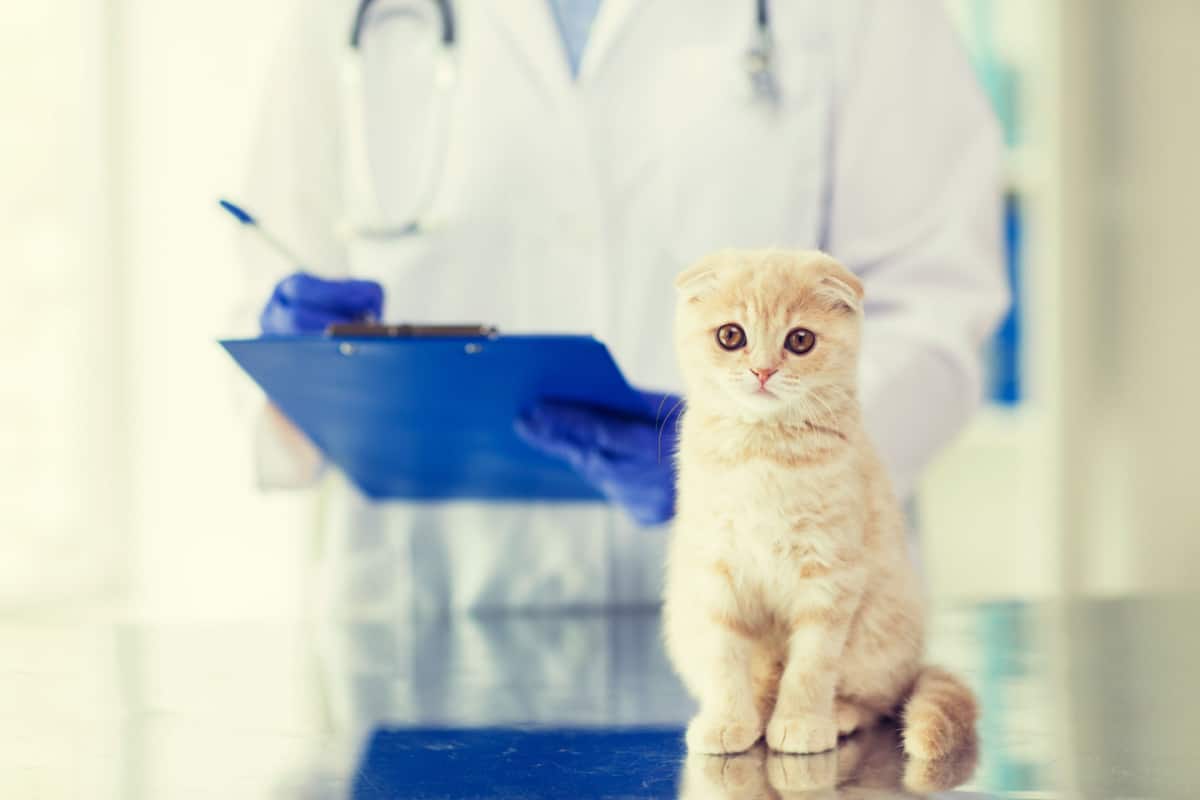
Annual exams are crucial. They give your vet a comprehensive understanding of your cat's health and help spot subtle changes over time. As your cat ages, consider bi-annual visits.
2. Communicate Effectively
Feel free to ask your vet questions. To maximize your time, jot down any concerns or issues before the visit. Be organized and concise to ensure all your concerns are addressed.
Remember, your vet's time is valuable. Be respectful and try to cover as much as you can during each visit.
Veterinarians Are Your Partners in Caring for Your Cat
Remember, a vet works for you. Their degree doesn't make them infallible; it only attests to their education.
As your cat's primary caregiver, you know what's normal for them and when something's off. Trust your instincts.
Never hesitate to seek a second opinion. It's a common practice in healthcare, and your cat's well-being may benefit from multiple perspectives.
Be curious, respect your vet's time, and honor your commitments.
Planning ahead and fostering a strong relationship with a vet who understands your cat's history can be the difference between a minor ailment and a major loss.
Your proactive care will earn your cat's gratitude.
Comments? Leave them using the form below. Questions? Please use the cat forums for those!
SIGN UP FOR THECATSITE'S EMAIL UPDATES >
Check out below for more related topics.
No Money For Vet Care? How To Find Help And Save Your Cat’s Life
Note: We may get commissions for purchases made through links on this page.




15 comments on “How To Choose The Best Veterinarian For My Cat?”